5 Common Mistakes to Avoid When Ordering Custom Patches

5 Common Mistakes to Avoid When Ordering Custom Patches

Custom patches are a dynamic way to elevate your brand, commemorate milestones, or add flair to apparel. However, the process of creating them can be riddled with pitfalls. At Gem Punch, we’ve seen how small oversights can lead to wasted time and resources. To help you achieve flawless results, here are the 5 most common mistakes to avoid When Ordering Custom Patches—and actionable solutions to ensure your patches shine.
5 Common Mistakes to Avoid When Ordering Custom Patches

Mistake #1: Overlooking Spelling and Design Errors

Why Precision Matters

A single typo or misplaced design element can derail an entire batch of patches. Whether it’s a misspelled slogan or a pixelated logo, errors become permanent once produced.

How to Avoid It:

  • Double-Check Designs:Use tools like vector files (AI/EPS) for crisp edges and clarity.
  • Request a Digital Proof:Gem Punch offers free digital proofs to catch mistakes early.
  • Test Readability:Simplify text and avoid overly intricate fonts—bold, legible fonts work best for small patches.

Gem Punch Tip: Our design team reviews your artwork for errors at no extra cost—ensuring your vision translates perfectly.


Mistake #2: Choosing the Wrong Size or Overcomplicating the Design

Balance Simplicity and Impact

A patch that’s too small loses detail, while oversized designs overwhelm garments. Overloading with colors or elements creates clutter.

How to Avoid It:

  • Match Size to Placement:Measure the garment area (e.g., hat patches should be compact, jacket patches larger).
  • Limit Colors:Stick to 2–3 colors for cost-efficiency and clarity.
  • Focus on Key Elements:Prioritize your logo or slogan for instant recognition.

Trend Alert: Bold, minimalist designs are trending in 2025 for their versatility and modern appeal.
Common Mistakes to Avoid When Ordering Custom Patches

Mistake #3: Ignoring Backing and Material Compatibility

Functionality Meets Aesthetics

The wrong backing can cause patches to peel or fray, while mismatched materials reduce durability.

How to Avoid It:

  • Select Backing Wisely:
    • Sew-On:Ideal for heavy-duty use (e.g., work wear).
    • Iron-On:Quick application but avoid heat-sensitive fabrics like PVC.
    • Velcro:Perfect for tactical gear or reusable patches.
  • Material Matters:
    • PVC:Durable and weather-resistant for outdoor use.
    • Embroidered:Classic look with textured appeal.

Gem Punch Insight: Discuss your project with our experts to pair materials and backings with your needs.


Mistake #4: Skipping Samples and Rushing Production

Test Before You Invest

Skipping a sample risks color mismatches, sizing issues, or adhesion failures. Rushed orders also hike costs.

How to Avoid It:

  • Request a Physical Sample:Gem Punch provides samples to test durability and color accuracy.
  • Plan Ahead:Standard production takes 2–4 weeks—avoid rush fees by ordering early.

Stat: 80% of customers who skipped samples reported dissatisfaction due to unforeseen errors.
Mistakes to Avoid When Ordering Custom Patches

Mistake #5: Mismanaging Budget and Quantity

Smart Spending for Maximum ROI

Ordering too few units raises per-patch costs, while over ordering strains budgets.

How to Avoid It:

  • Bulk Discounts:Order 100+ patches to save up to 30%.
  • Mix Materials:Combine premium embroidered patches with budget-friendly woven ones for large events.
  • Avoid Hidden Fees:Gem Punch offers transparent pricing—no surprise setup or design charges.

Pro Tip: Use our Custom Patch Pricing Guide to balance quality and cost.


Trends Shaping Custom Patches

Stay ahead with these innovations:

  1. Eco-Friendly Options:Recycled threads and biodegradable backings for sustainable branding.
  2. Tech-Enhanced Patches:QR codes for interactive marketing or NFC-enabled designs.
  3. Glow-in-the-Dark & 3D Effects:Perfect for safety gear or nighttime visibility.

Internal Link: Explore our Eco-Friendly Custom Patches for sustainable solutions.

Final Thoughts

Custom patches are a blend of artistry and strategy. By avoiding these mistakes, you’ll create patches that captivate audiences and withstand the test of time. At Gem Punch, we’re committed to delivering premium quality with zero compromises—whether you’re crafting morale patches for teams or branded merchandise for global campaigns.

Ready to Start? Get a Free Quote and let our experts guide you from design to delivery!


Frequently Asked Questions

  1. How do I choose between embroidered and PVC patches?
    Embroidered suits textured designs, while PVC excels in durability and weather resistance.
  2. Can I order a sample before bulk production?
    Yes! Gem Punch offers free digital proofs and physical samples for approval.
  3. What’s the turnaround time for patches?
    Standard production takes 2–4 weeks. Rush services are available for urgent needs.
  4. How do I ensure colors match my brand?
    Use Pantone codes and request a printed sample for accuracy.
  5. Are iron-on patches durable?
    Yes, with proper application. For heavy-duty use, reinforce edges with stitching.
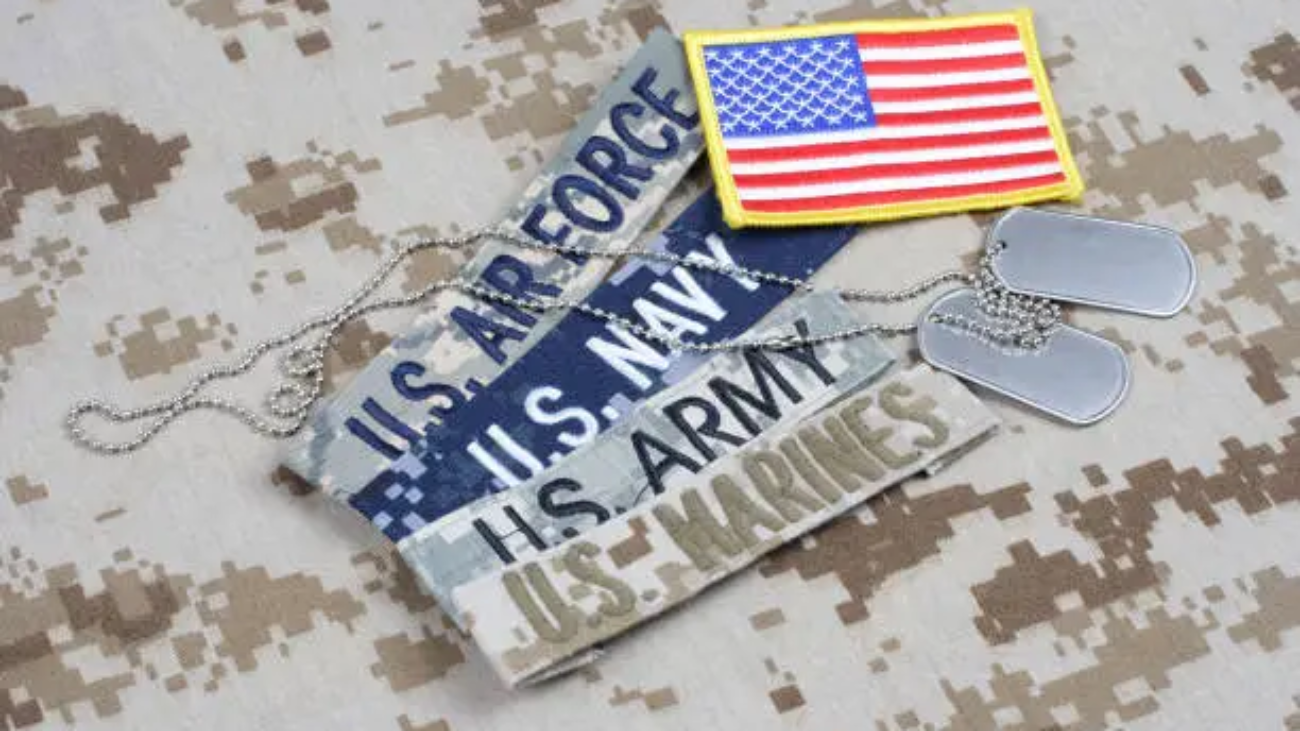
Military Patches 101

Military Patches 101: Symbolism, Regulations, and Custom Designs Explained

Military patches 101 are more than decorative emblems—they’re a language of honor, identity, and history. From the iconic screaming eagle of the Military Patches 101st Airborne to the intricate unit crests of the U.S. Army, these patches convey rank, achievements, and camaraderie. But how do they work? What rules govern their design? And how can you create custom military patches that respect tradition while making a statement?

In this guide, we’ll decode the symbolism, explore strict regulations, and reveal modern trends for designing military patches that matter.

Military Patches 101

  1. The Symbolism Behind Military Patches

Decoding the Hidden Language

Every thread in a military patch tells a story. Here’s what the elements mean:

  • Colors:
    • Gold: Valor and achievement.
    • Black: Mourning or remembrance.
    • Red: Courage and sacrifice.
    • Blue: Loyalty and vigilance.
  • Common Symbols:
    • Eagles: Freedom and strength (e.g., U.S. Air Force patches).
    • Swords: Readiness for combat.
    • Shields: Defense and protection.
    • Stars: Rank or service campaigns.

Example: The U.S. Army’s 1st Infantry Division patch—a bold red “Big Red One”—symbolizes their role as the first American division in World War I.

Actionable Tip: Research historical unit insignias for inspiration when designing custom patches.

  1. Military Patch Regulations: What You Need to Know

Rules of the Game

Military patches aren’t a free-for-all. Strict guidelines ensure uniformity and respect. Key regulations include:

  • Department of Defense (DoD) Standards:
    • Approved colors, sizes, and materials (e.g., embroidered twill for durability).
    • Prohibited use of copyrighted or offensive imagery.
  • Branch-Specific Rules:
    • Army: AR 670-1 governs wear and placement.
    • Navy: NAVSUP 485 details patch specifications.
    • Air Force: AFI 36-2903 outlines morale patches.

Placement Rules:

  • Shoulder Patches: Typically 2–3 inches wide, worn on the upper sleeve.
  • Morale Patches: Smaller (1.5–2 inches), often on hats or bags.

Pro Tip: Always consult the latest military regulations or a veteran advisor before finalizing custom designs.

Military Patches 101: Symbolism, Regulations, and Custom Designs

  1. Designing Custom Military Patches: Balancing Tradition & Creativity

Honor the Past, Innovate for the Future

Custom military patches let units, veterans, or organizations celebrate their identity. Here’s how to nail the design:

  • Step 1: Choose the Right Style
    • Embroidered: Classic, durable, and cost-effective.
    • Woven: Ideal for detailed designs (e.g., text-heavy unit mottos).
    • PVC: Modern, 3D look for morale patches.
  • Step 2: Incorporate Meaningful Elements
    • Unit numbers, mottos (e.g., “Semper Fi”), or geographic symbols (mountains, rivers).
    • Add subtle personalization (e.g., deployment dates).
  • Step 3: Work with a Specialized Manufacturer
    • Ensure compliance with military-grade stitching and materials.

Trend Alert: Vintage “retro” patches are booming for veteran-owned businesses and commemorative events.


  1. Modern Trends in Military Patches

From Combat to Casual

Military patches have transcended the battlefield. Here’s what’s trending in 2024:

  • Tactical Morale Patches: Humorous or motivational designs for military gear (e.g., “Embrace the Suck”).
  • Veteran-Owned Brands: Custom patches for apparel, hats, and challenge coins.
  • 3D & Glow-in-the-Dark Patches: High-tech options for night ops or collectors.

The Symbolism Behind Military Patches

  1. How to Wear and Display Military Patches

Pride in Placement

Whether you’re active-duty or a civilian supporter, proper patch etiquette matters:

  • Uniforms: Follow branch-specific placement guides (e.g., left shoulder for unit patches).
  • Civilian Use:
    • Display vintage patches on denim jackets or backpacks.
    • Frame historical patches as decor.

Pro Tip: Use Velcro-backed patches for easy swapping on tactical gear.

Stitching Legacy into Every Patch

Military patches are a bridge between heritage and individuality. Whether you’re designing a patch for your unit, a veteran group, or a historical project, understanding their symbolism and regulations ensures your work honors those who serve.

Looking to create a custom patch? Partner with Gem Punch, a trusted expert in high-quality embroidery, and design a patch that proudly tells your story.


Frequently Asked Questions

  1. Can civilians wear military patches?
    Yes, but avoid claiming unearned honors (e.g., rank or valor patches). Stick to generic or morale designs.
  2. How do I get a custom military patch approved for unit use?
    Submit your design to your command for review under DoD and branch regulations.
  3. What’s the difference between a shoulder sleeve insignia and a morale patch?
    Shoulder sleeve insignias (SSIs) are official unit identifiers, while morale patches are unofficial and often humorous.
  4. Are there size limits for military patches?
    Yes. For example, the Army restricts shoulder patches to 3 inches in height.
  5. Can I use metallic thread in military patches?
    Typically, no. Most regulations require muted, non-reflective materials for combat uniforms.
Custom Patches for Branding

5 Creative Ways Businesses Use Custom Patches for Branding

In a world saturated with digital ads, businesses are turning to tactile, memorable branding tools—and custom patches are stealing the spotlight. These versatile emblems aren’t just for scouts or bikers anymore. Forward-thinking Custom Patches for Branding to build loyalty, spark conversations, and stand out in crowded markets.

In this guide, we’ll explore 5 creative ways businesses use custom patches for branding, backed by actionable tips, trending ideas, and insights into why this medium resonates so powerfully.

Custom Patches for Branding

  1. Elevate Employee Uniforms into Brand Ambassadors

Turn Staff Style into Walking Billboards

Employee uniforms are a goldmine for branding, but generic logos often fade into the background. Custom patches transform uniforms into conversation starters. For example:

  • Tech startups add quirky patches to hoodies for a playful, relatable vibe.
  • Restaurants use embroidered patches on aprons to showcase their heritage or mascot.
  • Retail brands incorporate seasonal patches to align with holiday campaigns.

Why it works:

  • Patches humanize brands and foster team pride.
  • They’re easily swappable for promotions or rebranding.

Pro Tip: Use durable materials like merrowed-edge embroidery for uniforms that withstand daily wear.


  1. Create Limited-Edition Merch Drops

Drive Hype (and Sales) with Scarcity

Limited-edition patches are a low-cost, high-impact way to reward loyal customers or launch collaborations. Think:

  • Streetwear brands releasing patches tied to capsule collections.
  • Beverage companies designing patches for festival giveaways.
  • Nonprofits selling cause-themed patches to fundraise.

Trend Alert: Brands like Patagonia and Supreme have mastered this tactic, turning patches into collectibles that resell for premium prices.

Actionable Idea: Pair patches with a social media contest (e.g., “Post a photo with our patch for a chance to win”).

Creative Ways Businesses Use Custom Patches for Branding

  1. Reinvent Packaging with Branded “Thank You” Tokens

Surprise and Delight at Unboxing

Packaging is the first tangible touchpoint with customers. Adding a free custom patch as a “thank you” gift can:

  • Boost perceived value (e.g., skincare brand Glossier includes stickers; patches last longer!).
  • Encourage user-generated content when customers share their patch online.

Design Tip: Keep patches small (2-3 inches) for affordability and versatility.


  1. Collaborate with Influencers or Artists

Tap into New Audiences with Co-Branded Patches

Partnerships amplify reach, and custom patches are perfect for cross-promotion. For instance:

  • A local brewery teams up with a muralist to design limited-run patches.
  • A fitness brand co-creates patches with a wellness influencer.

Why It’s Trending:

  • 73% of marketers say influencer collaborations boost ROI (Source: HubSpot).
  • Patches are shareable, portable, and Instagrammable.

Pro Tip: Use woven patches for intricate designs that showcase artistic details.

Elevate Employee Uniforms into Brand Ambassadors

  1. Build Community with “Patch Loyalty Programs”

Turn Customers into Super fans

Loyalty programs often rely on digital points, but physical rewards like patches create emotional connections. Examples:

  • Outdoor brands reward customers with patches for completing hiking challenges.
  • Cafés offer a free patch after 10 coffee purchases.

Stat: 85% of consumers stick with brands that have loyalty programs (Accenture).

Actionable Strategy: Create a “collectible series” (e.g., seasonal designs) to keep customers engaged long-term.

Conclusion: Stitch Your Brand into the Spotlight

Custom patches are more than accessories—they’re miniature storytelling tools that drive recognition, loyalty, and engagement. Whether you’re a startup or an established brand, these strategies offer a fresh way to connect with audiences in a noisy marketplace.

Ready to make your mark? Start brainstorming designs that reflect your brand’s personality, and watch these tiny emblems deliver big results.

Frequently Asked Questions

  1. How much do custom patches cost?
    Prices vary by size, material, and order quantity. Small PVC patches start at 2each, while embroidered patches average 2 each, while embroidered patches average 3–$5. Bulk orders reduce costs significantly.
  2. Are patches durable enough for uniforms?
    Yes! Opt for embroidered patcheswith merrowed edges for maximum durability. Avoid iron-on backing for frequent washing.
  3. How long does it take to design a patch?
    Most companies offer 2–3 week turnaround times. Rush services are available for urgent projects.
  4. Why choose patches over other branded merchandise?
    Patches are affordable, versatile (they stick to bags, hats, jackets), and have a longer shelf life than disposable items like flyers.
  5. Can patches be applied to any fabric?
    Most patches adhere to cotton, denim, polyester, and leather. Use heat-seal backing for secure application.
Style Flag Patches

How to Style Flag Patches: 10 Creative Outfit Ideas

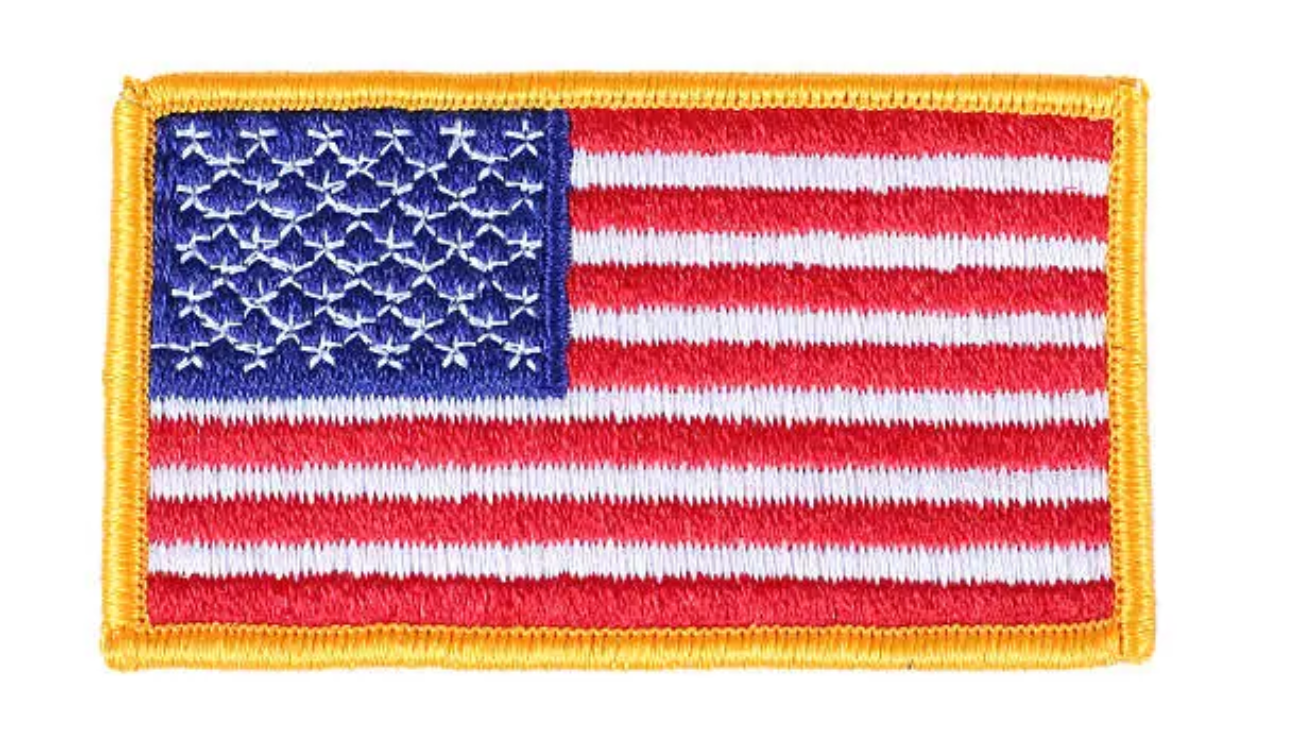
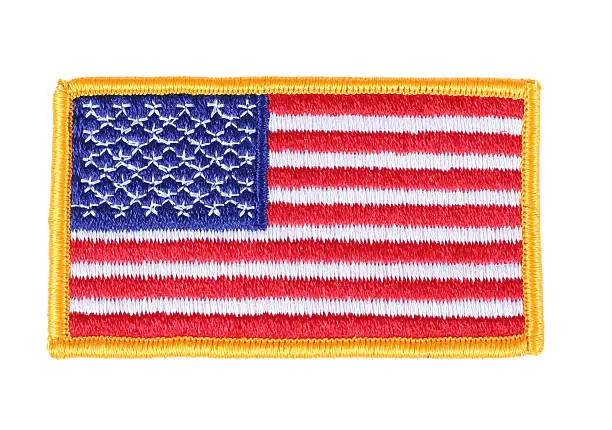
Flag patches have long been a symbol of pride, identity, and style. Whether you’re rocking an American flag, a British Union Jack, or a custom emblem, flag patches are a great way to personalize your outfits. With fashion trends constantly evolving, flag patches are making a comeback in streetwear, vintage styles, and everyday fashion. Here are 10 creative ways to style them!

Style Flag Patches

Classic Denim Jacket Look

Denim jackets and flag patches are a match made in fashion heaven. Adding a patch to the back, sleeve, or pocket of your jacket creates a timeless, rebellious look. Opt for vintage or distressed patches to enhance the rugged aesthetic.


Military-Inspired Streetwear

Camouflage jackets, cargo pants, and army-green vests are ideal for flag patches. Position them on the chest or sleeves to channel a bold, military-inspired style. This look pairs well with combat boots and aviator sunglasses.


Rock Band & Punk Aesthetic

Nothing says punk rock like a leather jacket adorned with flag patches. Whether you’re going for a UK punk vibe or an American rebel look, flag patches add character. Pair with ripped skinny jeans, graphic tees, and studded accessories.


Custom Backpacks and Tote Bags

Flag patches aren’t limited to clothing—they work great on accessories too! Adding patches to backpacks, tote bags, or messenger bags instantly upgrades your gear. This is a fantastic way to showcase travel destinations and cultural pride.


Vintage Americana Style

Retro fashion lovers can incorporate flag patches into their outfits by sewing them onto flannel shirts, varsity jackets, and worn-out jeans. This throwback style pairs well with cowboy boots, classic Converse sneakers, or a baseball cap.

How to Style Flag Patches

Sporty & Athleisure Vibes

For a sporty twist, attach flag patches to hoodies, joggers, or baseball caps. Minimalist designs work best for athletic wear, creating a subtle yet stylish patriotic touch.

Festival & Boho Outfits

Boho-chic outfits can feature flag patches on denim shorts, kimonos, or wide-brimmed hats. Pair them with earthy tones, layered jewelry, and fringed bags for a fun, festival-ready aesthetic.


Edgy Biker Look

Bikers have been rocking flag patches for decades, usually on leather vests or jackets. To embrace this edgy style, layer a vest over a fitted black tee and accessorize with silver chains and sturdy boots.

Minimalist Urban Fashion

If you prefer a sleek and understated look, opt for small flag patches on monochrome outfits. A simple patch on the sleeve of a black or white hoodie can add a unique touch without overpowering the outfit.

   How to Style Flag Patches: 10 Creative Outfit Ideas

DIY Upcycled Clothing

Revamp old clothing by adding flag patches to jeans, shirts, or jackets. This sustainable approach allows you to breathe new life into your wardrobe while showcasing your creativity.


How to Attach Flag Patches to Different Fabrics

There are several ways to attach flag patches, including sewing, ironing, and using adhesive backings. Sewing is the most durable option, while iron-on patches are great for quick applications. For leather or synthetic fabrics, consider using fabric glue or Velcro patches.


Where to Buy Custom Flag Patches

You can buy custom flag patches at Gem Punch, where you’ll find high-quality, personalized designs to match your style.


Flag patches are a fantastic way to add personality and edge to your outfits. Whether you prefer a vintage, streetwear, or minimalist look, there’s a styling method for everyone. Experiment with placements and combinations to find the perfect balance that represents your style.


    Frequently Asked Questions

1: Can flag patches be removed from clothing?

Yes, iron-on patches can be removed with heat, while sewn patches can be carefully unstitched.


2: Are iron-on patches better than sew-on patches?

Iron-on patches are easier to apply but may peel over time. Sew-on patches are more durable and long-lasting.


3: How do I wash clothes with flag patches?

It’s best to wash clothes inside out in cold water and avoid high heat drying to maintain the patch’s quality.


4: Can I put flag patches on leather jackets?

Yes, but sewing through leather can be challenging. Fabric glue or adhesive patches work better for leather garments.


5: Do flag patches violate any fashion etiquette?

No, flag patches are widely accepted in casual and streetwear fashion. However, it’s good to be mindful of cultural significance and placement.

Guide to Flag Patches

A Guide to Flag Patches: History, Types, Trends, and How to Wear Them

Flag patches have been a symbol of pride, identity, and allegiance for decades. Whether sewn onto military uniforms, biker jackets, backpacks, or streetwear, these patches hold deep significance. In this guide, we’ll explore the history of flag patches, their various types, modern trends, and actionable tips on how to wear and maintain them.

Guide to Flag Patches

History of Flag Patches


Flag patches date back to military traditions, where soldiers used them for identification and camaraderie. Over time, they evolved into symbols of national pride, rebellion, and fashion statements. Today, they are worn by athletes, travelers, and fashion enthusiasts alike.


Types of Flag Patches


Choosing the right flag patch depends on your needs and preferences. Here are the most common types:


Embroidered Flag Patches: Highly durable and textured, making them ideal for military and law enforcement use.


PVC Flag Patches: Made from rubber-like material, these are waterproof and weather-resistant.


Woven Flag Patches: Created with finer threads, offering more intricate details.


Printed Flag Patches: Budget-friendly and lightweight, best suited for casual wear or promotional items.

A Guide to Flag Patches: History, Types, Trends, and How to Wear Them

How to Choose the Right Flag Patch


Consider these factors before purchasing a flag patch:


Material: Embroidered patches offer durability, while PVC provides flexibility.


Purpose: Tactical applications demand rugged patches, while decorative ones can be lightweight.


Attachment Method: Choose from sew-on, iron-on, or Velcro-backed patches depending on convenience and permanence.


The Significance of Flag Patches


Flag patches are more than decorative pieces; they symbolize:


National Pride: Display allegiance to a country, whether in the military or civilian life.


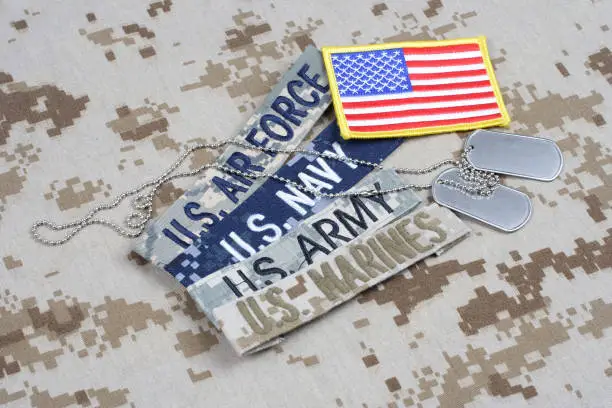
Military & Law Enforcement Identity: Essential for rank identification and unit representation.


Fashion & Culture: From rock bands to streetwear, flag patches add an edgy and personal touch to outfits.


Trends in Flag Patches

Modern trends in flag patches include:


Custom Designs: Personalized patches featuring unique elements.


Vintage & Retro Styles: Nostalgic flag patches from past decades.


Glow-in-the-Dark & Reflective Patches: Ideal for nighttime visibility and a futuristic touch.

History of Flag Patches

Best Ways to Apply Flag Patches


Depending on the material and backing, here’s how to apply them:


Sewing: Best for permanent applications; use strong thread for durability.


Iron-On: Quick and easy; ensure high heat and firm pressure.


Velcro-Backed: Versatile and removable; ideal for tactical or temporary use.


Flag Patch Placement Rules


Correct placement of flag patches is essential, especially in official settings:


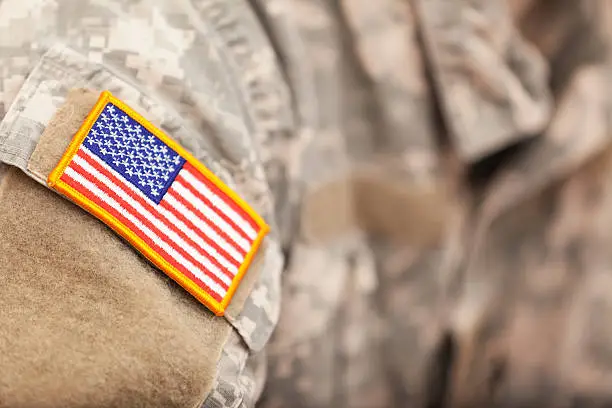
U.S. Military: The flag must always appear forward-facing, with the stars leading.


Law Enforcement & Emergency Services: Follow uniform regulations for patch positioning.


Casual Wear: Can be placed on sleeves, chest, or back, depending on preference.


Where to Buy High-Quality Flag Patches


For the best flag patches, check out:


gempunch.xtremlogics.com/: Your go-to source for premium custom flag patches, offering a variety of high-quality designs and bulk order options.


How to Care for Your Flag Patches


To maintain the quality of your flag patches:


Washing: Hand-wash embroidered patches or use a gentle machine cycle.


Storage: Keep patches flat and dry to prevent curling or fading.


Repairing: Re-stitch loose edges or use fabric glue for quick fixes.


Flag Patches in Pop Culture


From rock bands to movies, flag patches have left their mark:


Iconic in Movies: Think of Top Gun’s famous American flag patch.


Celebrity Fashion: Artists and influencers popularize customized patches.


Streetwear Influence: Hip-hop and biker cultures integrate flag patches into everyday fashion.


Ethical Considerations in Flag Patches


When wearing or designing flag patches, be mindful of:


Respect for National Symbols: Avoid altering flags in a disrespectful manner.


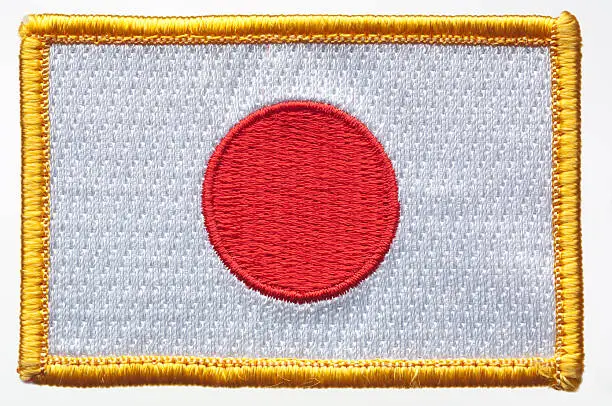
Cultural Sensitivity: Research meanings before using flags from different nations.


Sourcing Materials Ethically: Choose sustainable and fair-trade patch suppliers.


Flag patches are timeless symbols of identity, pride, and self-expression. Whether you wear them for military service, personal style, or cultural representation, they remain a meaningful accessory. Explore different types, customize your own, and wear them with confidence!


Frequently Asked Questions


  1. Can I make my own custom flag patch?


Yes! Many online services allow you to design and order personalized flag patches with unique text, colors, and materials.


  1. What is the best way to attach a flag patch to clothing?


Sewing is the most durable method, while iron-on works well for quick applications. Velcro-backed patches offer versatility for easy removal and reattachment.


  1. Are flag patches allowed on military uniforms?


Yes, but they must follow specific regulations. For example, the U.S. military requires the American flag to be forward-facing, with the stars leading.


  1. Where can I buy high-quality flag patches?


You can buy high-quality flag patches from Gempunch, a specialized store known for its premium embroidered patches and custom designs.

  1. How do I clean and maintain my flag patches?


Hand-wash embroidered patches, avoid excessive heat, and store them in a dry place to prevent wear and fading.

Budget-Friendly Embroidery Digitizing Services

Top Tips for Choosing the Best Budget-Friendly Embroidery Digitizing Services

Embroidery digitizing can transform any logo or piece of artwork into a stitch file that an embroidery machine can use. Whether you’re a business looking to brand apparel or a hobbyist wanting to create unique projects, finding budget-friendly embroidery digitizing services is crucial. Here, we provide essential tips to help you select an affordable yet quality service.

Budget-Friendly Embroidery Digitizing Services

Understand Embroidery Digitizing

Before diving into the selection process, it’s important to understand what embroidery digitizing involves. This process converts graphic images into a format that an embroidery machine can read, ensuring that your designs are stitched exactly as envisioned.

Tip 1: Compare Pricing Structures

Different digitizing services have varying pricing models. Some charge by stitch count, while others charge a flat rate based on the complexity of the design.

Analyze the Cost vs. Quality Balance

While low prices are tempting, they can sometimes lead to compromised quality. Review portfolios and read customer testimonials to ensure that a low-cost option still meets your quality expectations.

Tip 2: Check the Technology and Software Used

The quality of digitizing software and technology a service provider uses can significantly impact the quality of the final stitch-out.

Importance of Advanced Digitizing Software

Opt for services that use industry-leading software like Wilcom or Pulse. These tools often provide superior results and greater detail in the embroidery.

Tip 3: Assess Turnaround Times

When you’re on a tight schedule, turnaround time becomes a critical factor in your choice of an embroidery digitizing service.

Finding the Right Balance between Speed and Quality

Evaluate if the service can offer quick delivery without sacrificing the quality of the digitized design.

Understand Embroidery Digitizing

Tip 4: Look for Good Communication and Customer Support

Effective communication is vital, especially when specific details or colors are crucial in your embroidery designs.

The Role of Customer Support in Embroidery Services

A company that provides excellent customer service and is responsive to your needs will likely deliver a better experience and a product that meets your expectations.

Tip 5: Review Portfolio and Testimonials

A reliable way to gauge the effectiveness of a digitizing service is to look at their previous work and client feedback.

The Significance of a Strong Portfolio

Request access to a portfolio of their work and read through client testimonials to understand their satisfaction levels and the quality of work delivered.

Frequently Asked Questions

  1. How much does embroidery digitizing cost?

Costs can vary widely based on the complexity of the design and the pricing model of the service. Typically, prices range from $10 to $100 per design.

  1. Can I get a discount for bulk orders?

Many Embroidery Digitizing Services offer discounts for bulk orders, which can be a cost-effective option for businesses needing multiple designs.

  1. What file formats should I expect from an embroidery digitizing service?

Common file formats include DST, PES, and EXP, among others. Ensure the service can provide the specific format compatible with your embroidery machine.

  1. How do I choose the right resolution for my embroidery design?

The resolution depends on the complexity of the design and the fabric you plan to embroider on. Consult with your service provider to determine the appropriate resolution.

  1. What is the typical turnaround time for receiving a digitized design?

Turnaround times can range from 24 hours to several days, depending on the service provider and the complexity of your design.

By following these tips and understanding what to look for in an embroidery digitizing service, you can ensure that you choose a quality provider that meets your budgetary needs.

Power of Embroidery Digitizing

Unlock the Silent Power of Embroidery Digitizing

Imagine your brand’s logo—crisp, vibrant, and flawlessly embroidered onto every piece of merchandise. This isn’t just about aesthetics; it’s about the power of embroidery digitizing. According to a Statista survey, 89% of consumers emphasize the importance of consistent branding to earn their trust. Yet, many businesses underestimate how crucial digitizing is in maintaining this consistency. At GemPunch, we’ve transformed the visual identities of over 1,200 brands through precision embroidery. Let’s delve into how embroidery digitizing can become your brand’s secret weapon.

Power of Embroidery Digitizing

What Is Embroidery Digitizing? Understanding the Craft

From Pixels to Perfect Stitches

Embroidery digitizing is the process of converting digital artwork, like logos, into formats that embroidery machines can execute. Using specialized software, digitizers meticulously map out:

  • Stitch Types: Including satin, fill, and running stitches.
  • Density: Adjusting stitches per inch to ensure compatibility with various fabrics.
  • Underlay: Laying the foundation stitches that add stability to the finished design.

Why It’s More Than Just “Digital Embroidery”:

Unlike straightforward embroidery, digitizing requires a keen consideration of fabric type, thread tension, and design intricacies. A poorly digitized logo can lead to material puckering or fraying, ultimately harming your brand’s reputation.

Why Embroidery Digitizing Is Essential for Brand Identity

Beyond Aesthetics—Building Trust and Recognition

  1. Uniformity across All Platforms: Ensuring your logo appears identical on all merchandise, from polos to tote bags—no pixelation or color mismatches.
  2. Durability Equals Long-Term Exposure: Embroidered logos are proven to outlast printed ones by threefold, making them ideal for both work wear and promotional items.
  3. Conveys a Premium Image: According to Forbes, 68% of consumers perceive embroidered branding as a marker of luxury, enhancing your brand’s value.
  4. Versatility for Various Materials: Tailoring designs to unique materials like leather, stretch fabrics, or towels, ensuring premium results.

What Is Embroidery Digitizing

Mastering Embroidery Digitizing: 5 Pro Tips for Flawless Execution

Expert Guide to Stitch Mapping

  1. Simplify Your Design: Focus on bold shapes and high-contrast colors, avoiding tiny text and complex gradients.
    • Pro Tip: Utilize GemPunch’s Free Artwork Audit to refine your logo.
  2. Select the Right Thread: Color-match with Pantone standards and consider using metallic threads for a touch of luxury.
  3. Fabric-Specific Testing: Adapt stitch angles for different materials, such as curved surfaces on hats versus flat jackets.
  4. Incorporate 3D Puff for Depth: Enhance logos on caps or bags for a striking, tactile effect.
  5. Collaborate with Professionals: Avoid common pitfalls of DIY software by partnering with GemPunch’s Certified Digitizers.


Trends in Embroidery Digitizing: Innovate to Stand Out

  1. Hybrid Techniques: Merge embroidery with screen printing for dynamic, textured designs.
  2. Eco-Conscious Materials: Attract environmentally aware consumers with threads made from recycled polyester.
  3. Smart Textiles Integration: Embed NFC technology in logos for interactive experiences, like scanning a jacket to access your website.
  4. Minimalist Micro-Logos: Trend towards small, detailed logos suited for modern athleisure or tech apparel.


Conclusion: Weave Your Brand into Public Memory                 


Power of embroidery digitizing isn’t just a cost—it’s a strategic investment in your brand’s identity. From ensuring flawless consistency to embracing cutting-edge trends, every stitch we craft tells a part of your story. Ready to make your brand unforgettable? Begin your digitizing project with GemPunch today.


Frequently Asked Questions: Expert Answers to Common Queries

  1. What is the difference between embroidery and embroidery digitizing?

Embroidery involves decorating fabric with a needle and thread, while embroidery digitizing is the process of converting artwork into a digital file that an embroidery machine can interpret. Digitizing is a crucial step to ensure the embroidery is precise, consistent, and aligned with the original design.

  1. Can GemPunch digitize designs for any type of fabric?

Yes, GemPunch can digitize designs for a wide range of fabrics, from sturdy denim to delicate silk. We adjust stitching techniques and thread types to accommodate the specific properties of each fabric, ensuring optimal results and longevity of the embroidered design.

  1. How do I choose the right thread colors for my design?

Choosing the right thread colors is essential for maintaining the integrity of your brand’s colors. At GemPunch, we offer a Pantone matching system to ensure that the colors used in your embroidery match your brand’s specific shades. We also provide samples for approval before finalizing the project to ensure satisfaction with the thread colors chosen.

  1. What should I do if I need a rush order for embroidery digitizing?

If you need a rush order, GemPunch offers expedited services to meet tight deadlines. Contact our customer service team with the details of your project, and we will prioritize your order to ensure timely delivery without compromising on quality.

  1. How can I ensure that my embroidered logo will look good on small items like hats or sleeves?

For smaller items, it’s important to simplify the design to avoid details that might not translate well to a reduced scale. GemPunch’s expert digitizers will help optimize your logo by focusing on bold shapes and eliminating fine details that are difficult to embroider on small surfaces. We also recommend a pre-production sample to visually approve how the design translates to smaller items.

Custom Embroidered Patches

5 Unexpected Places You Can Use Custom Embroidered Patches

Custom embroidered patches aren’t just for jackets or backpacks anymore! These versatile accessories have exploded in popularity thanks to their ability to add personality, durability, and a touch of nostalgia to almost anything. At GemPunch, we’ve seen creative customers reinvent how patches are used—far beyond traditional applications. In this post, we’ll explore five unexpected places to use custom patches, complete with actionable tips, trending ideas, and inspiration to help you think outside the (sewing) box.

Custom Embroidered Patches


  1. Elevate Your Home Decor with Personalized Flair

Transform Pillows, Curtains, and More 


Who says patches belong only on clothing? Home decor is one of the most underrated places to showcase custom embroidered patches:

– Throw pillows: with monogrammed patches for a cozy, personalized touch.

– Curtain tiebacks: adorned with floral or geometric designs.

– Table runners: featuring seasonal motifs for holiday dinners.


Why It Matters: Patches let you refresh your space without costly renovations. Swap out designs for holidays, trends, or mood changes.

Trend Alert: Maximalist interiors are in—mix and match bold patch designs for a vibrant, eclectic vibe.

Pro Tip: Use iron-on patches for easy application on fabric surfaces. Check out GemPunch’s Iron on Patches for no-sew solutions.


  1. Pamper Your Pets in Style

Collars, Bandanas, and Pet Jackets That Stand Out 


Your furry friends deserve flair too! Custom patches add charm and practicality to pet accessories:

– Embroider their name onto a collar for easy identification.

– Stitch playful bones or paw prints onto bandanas.

– Add reflective patches to pet jackets for nighttime safety.


Why It Matters: Personalized patches make your pet’s gear uniquely theirs while serving functional purposes.

Pro Tip: Opt for sew-on patches for durability, especially on items that endure wear and tear.


  1. Tech Gear with a Creative Twist

Customize Laptops, Phone Cases, and Tablet Sleeves 


Tech gadgets are prime real estate for self-expression. Try these ideas:

– Adhere a patch to your laptop sleeve for a professional yet personal look.

– Jazz up a plain phone case with a mini embroidered patch.

– Add a branded patch to a tablet sleeve for a sleek, corporate gift.


Why It Matters: Patches protect your devices from scratches while showcasing your style or brand.

Pro Tip: Use adhesive-backed patches for smooth surfaces. GemPunch’s custom-patches are designed to stick securely.


  1. Step Up Your Shoe Game

Sneakers, Boots, and Sandals That Turn Heads 


Footwear is the ultimate canvas for creativity. Transform your kicks with:

– Patches on sneaker tongues or sides for a streetwear edge.

– Vintage-inspired designs on ankle boots.

– Whimsical motifs on strappy sandals for summer.


Why It Matters: Stand out in a crowd with one-of-a-kind footwear that reflects your personality.

Pro Tip: For heavy-use shoes, combine fabric glue with stitching. Browse Durable Sew-On Patches for long-lasting wear.

Custom embroidered patches

  1. Celebrate in Style with Themed Events

Weddings, Birthdays, and Corporate Gatherings 


Custom patches can elevate event decor and memorabilia:

– Sew patches onto napkins or tablecloths for weddings.

– Create branded patches as party favors for corporate events.

– Design matching patches for guest outfits at themed birthdays.


Why It Matters: Patches add a cohesive, memorable touch to events while serving as keepsakes.

Pro Tip: Order patches in bulk for events. GemPunch offers Discounts on bulk-orders for large quantities.


From pet collars to tech gadgets, custom embroidered patches offer endless opportunities to inject creativity into everyday items. Whether you’re refreshing your home, accessorizing a pet, or planning an unforgettable event, patches provide a durable, stylish solution. Ready to start your project?

Frequently Asked Questions

  1. How do I attach patches to delicate fabrics like curtains or pillows?

For lightweight fabrics, use iron-on patches with a low-heat setting and a pressing cloth to avoid damage. For heavy-duty fabrics like denim or canvas, sewing is ideal. GemPunch’s Iron-On Patches come with easy-to-follow instructions for secure application.

  1. Are your patches safe for pet accessories?

Absolutely! Our Pet-Friendly Patches use non-toxic materials and durable stitching, perfect for collars and bandanas. Avoid small patches that pets could chew, and always supervise new accessories.

  1. Will patches stick to tech surfaces like laptops or phone cases?

Yes! Use adhesive-backed patches or fabric glue for smooth tech surfaces. GemPunch’s Custom Patches are designed with strong adhesives to stay put without damaging your devices.

  1. How do I make sure patches stay on shoes?

For footwear, combine sewing with fabric glue for maximum durability. Our Sew-On Patches are reinforced with merrow borders to withstand daily wear. Avoid placing patches on flexible areas like shoe soles.

  1. Can I order custom patches in bulk for a wedding or corporate event?

Definitely! GemPunch offers Bulk Order Discounts for events. Share your design, and we’ll handle the rest—perfect for favors, decor, or branded gifts.

Custom Patch Pricing

How Custom Patch Pricing Works: A Comprehensive Guide

Custom patches are an excellent way to showcase brand identity, commemorate events, or enhance team spirit. Whether you’re ordering patches for a business, sports team, or promotional event, understanding the custom patch pricing factors can help you make cost-effective decisions. In this guide, we’ll break down how custom patch pricing works and share actionable tips to get the best value for your order.Key Factors That Influence Custom Patch Pricing.

Custom Patch Pricing

1. Patch Size

The larger the patch, the more material and stitching required, which increases the cost. Patch size is usually measured as the average of height and width.

Tip: To determine the price category, use the formula: (Height + Width) / 2.

2. Quantity Ordered

Bulk orders significantly reduce the cost per patch. Most manufacturers offer volume discounts, making it cost-efficient for businesses and organizations ordering large quantities.

Tip: If you need patches for multiple purposes, consider combining orders to maximize bulk discounts.

3. Embroidery Coverage

Patches with high embroidery coverage (e.g., 75% or 100%) cost more due to the increased thread usage and stitching time. Partial embroidery patches (50% coverage or less) are generally more affordable.

4. Patch Backing Options

Different backing types affect pricing based on material and application method:

  • Iron-on backing – Mid-range cost, easy application
  • Sew-on backing – Lower cost, requires stitching
  • Velcro backing – Higher cost, reusable and durable
  • Adhesive backing – Convenient but less durable

5. Thread Colors and Special Features

The number of thread colors used in your patch design impacts pricing. Special thread types like metallic or glow-in-the-dark threads also add to the cost.

Tip: Limit the number of thread colors if you’re working within a budget.

6. Border Styles

Custom patches can have:

  • Merrowed edges (ideal for standard shapes, cost-effective)
  • Laser-cut or die-cut borders (for unique shapes, slightly higher cost)

7. Design Complexity

Intricate designs with small details require more stitching and a higher stitch count, increasing the cost. Simplifying the design can help reduce expenses.

8. Production Time & Rush Orders

Standard production times range from 2-4 weeks. Rush orders come at a premium but ensure timely delivery for urgent needs.

Key Factors That Influence Custom Patch Pricing

How to Get the Best Price on Custom Patches

  • Order in Bulk – Larger quantities lower the per-unit cost.
  • Optimize Size & Design – Keep patches within standard sizes and simplify the design to reduce complexity.
  • Select Cost-Effective Backing – Choose a backing option that balances affordability and functionality.
  • Avoid Unnecessary Special Features – Use standard thread colors and borders unless necessary.
  • Plan Ahead – Avoid rush order fees by placing your order in advance.

Custom Patches for Events and Branding

Custom patches are widely used for:

  • Corporate Branding – Enhance uniforms and promotional merchandise.
  • Sports Teams & Clubs – Display team logos and achievements.
  • Conventions & Festivals – Create limited-edition patches for collectors.
  • Military & Tactical Units – Custom morale patches with Velcro backing.
  • Non-Profit & Fundraising Events – Patches as unique giveaways or fundraising items.

For more details on designing custom patches, check out our Custom Patch Design Guide.

Conclusion

Understanding GEMPUNCH factors that influence custom patch pricing helps you make informed decisions when placing an order. By considering size, quantity, backing options, and embroidery details, you can optimize costs without compromising on quality.

Need custom patches for your business or event? Contact us today for a free quote!


Frequently Asked Questions

1. What is the minimum order quantity for custom patches?

Most manufacturers have a minimum order requirement, usually around 50 patches. However, some may offer smaller quantities at a higher price per unit.

2. Can I get a sample before placing a bulk order?

Yes, many manufacturers offer a sample patch before full production, though this may come at an additional cost.

3. What is the average turnaround time for custom patches?

Standard production times range from 2 to 4 weeks, depending on design complexity and order quantity. Rush services may be available for faster delivery.

4. Do patches shrink or fade over time?

High-quality embroidered patches are durable and resistant to fading. However, exposure to extreme heat and frequent washing may cause minor wear over time.

5. Are there eco-friendly custom patch options?

Yes, some manufacturers offer sustainable materials like recycled thread and organic backing options for eco-conscious customers.

History of Biker Patches

A History of Biker Patches: The Evolution and Significance of Custom Patches

Biker patches are more than just decorative embellishments; they are a rich tapestry of identity, camaraderie, and history. From the early days of motorcycling culture to their contemporary role in clubs and events, biker patches have evolved significantly. This blog explores the fascinating history, trends, and importance of custom patches in the biker community, offering actionable tips for enthusiasts looking to create or understand them better.

History of Biker Patches

The Origins of Biker Patches

Early Motorcycling Culture and Insignia

The roots of biker patches trace back to the early 20th century when motorcycling clubs began forming. Members would wear simple badges or sewn insignias on their jackets to distinguish their groups. These early designs were straightforward, often featuring the club’s initials or a basic emblem.

Military Influence on Biker Patches

After World War II, returning soldiers brought with them a strong sense of brotherhood and hierarchy, influencing biker culture. Many veterans joined or formed motorcycle clubs, and their patches began to mimic military insignias with intricate designs and rank indicators.

Rise of Outlaw Motorcycle Clubs (OMCs)

In the 1940s and 1950s, some motorcycle clubs began distancing themselves from mainstream organizations, leading to the birth of Outlaw Motorcycle Clubs. These groups popularized the iconic three-piece patch structure consisting of a top rocker, bottom rocker, and central emblem, often known as “colors.”

Structure and Symbolism of Biker Patches

The Three-Piece Patch

The three-piece patch is one of the most recognized forms of biker insignia. Each element holds distinct meaning:

  • Top Rocker: Displays the club’s name.
  • Central Patch: Features the emblem or logo representing the club’s identity.
  • Bottom Rocker: Indicates the club’s location or territory.

One-Piece and Two-Piece Patches

Not all biker patches follow the three-piece structure. Some groups, especially riding clubs and family-oriented organizations, opt for one-piece or two-piece patches to signify inclusivity and a less rigid hierarchy.

Colors and Symbols

The colors and symbols on patches often carry deep significance. Skulls, wings, and flames are popular motifs, representing courage, freedom, or the rebellious spirit of the biker lifestyle.

Early Motorcycling Culture and Insignia

The Role of Custom Patches in Biker Culture

Identity and Unity

Custom patches serve as a badge of honor, representing a biker’s club, achievements, or personal beliefs. They foster a sense of belonging and unity among members.

Communication and Status

Within the biker community, patches communicate rank, roles, or even accomplishments. For instance, a “road captain” patch signifies leadership in planning and guiding group rides.

Memorial and Tribute Patches

Bikers often wear custom patches to honor fallen members, preserve their memory, and maintain the spirit of brotherhood.

Trends in Custom Biker Patches

Embroidered and 3D Designs

Advancements in technology have led to intricate embroidered and 3D patch designs, offering greater detail and texture.

Eco-Friendly Materials

Sustainability trends have influenced the production of biker patches, with eco-friendly threads and materials becoming increasingly popular.

Personalization and DIY Patches

Modern bikers seek unique, personalized patches to express individuality. DIY kits and custom design services have surged in popularity.

Actionable Tips for Designing Custom Biker Patches

Choose Meaningful Symbols

Incorporate symbols and colors that resonate with your club’s values or personal journey.

Prioritize Quality

Invest in high-quality materials and stitching to ensure durability, especially for patches exposed to weather and wear.

Work with Experienced Designers

Collaborating with experienced patch designers can help bring your vision to life while maintaining authenticity.

Stay True to Tradition

While modern trends are exciting, respecting the history and traditions of biker patches adds depth and credibility to your design.

Biker Patches

Significance of Biker Patches at Events

Rally Identification

Patches help identify club members and rally participants, enhancing the sense of community at events.

Fundraising and Charity

Many biker events feature custom patches sold for fundraising, supporting charitable causes within and beyond the community.

Souvenirs and Commemoration

Event-specific patches serve as cherished mementos for attendees, celebrating their participation and shared experiences.

Conclusion

Biker patches are more than just fabric and thread—they embody a legacy of pride, unity, and personal expression. Whether you’re a club member, an event organizer, or an individual biker, understanding the history and significance of these patches can enrich your appreciation for this timeless tradition. By embracing custom designs and staying true to their heritage, you contribute to the ongoing story of biker culture.


Frequently Asked Questions

  1. What do the three pieces in a biker patch represent?

The three pieces typically signify the club’s name, emblem, and location.

  1. Are all biker patches embroidered?

While embroidery is the most common, other techniques like PVC and woven patches are also popular.

  1. Can anyone wear a biker patch?

Wearing a biker patch often comes with membership responsibilities. Always respect the significance behind the patches.

  1. What is the difference between an MC and an RC patch?

MC (Motorcycle Club) patches often follow a three-piece structure and signify a structured organization, while RC (Riding Club) patches are usually one-piece and represent casual riding groups.

  1. How can I preserve my biker patches?

Avoid direct sunlight and wash your gear carefully to maintain the vibrancy and integrity of your patches.