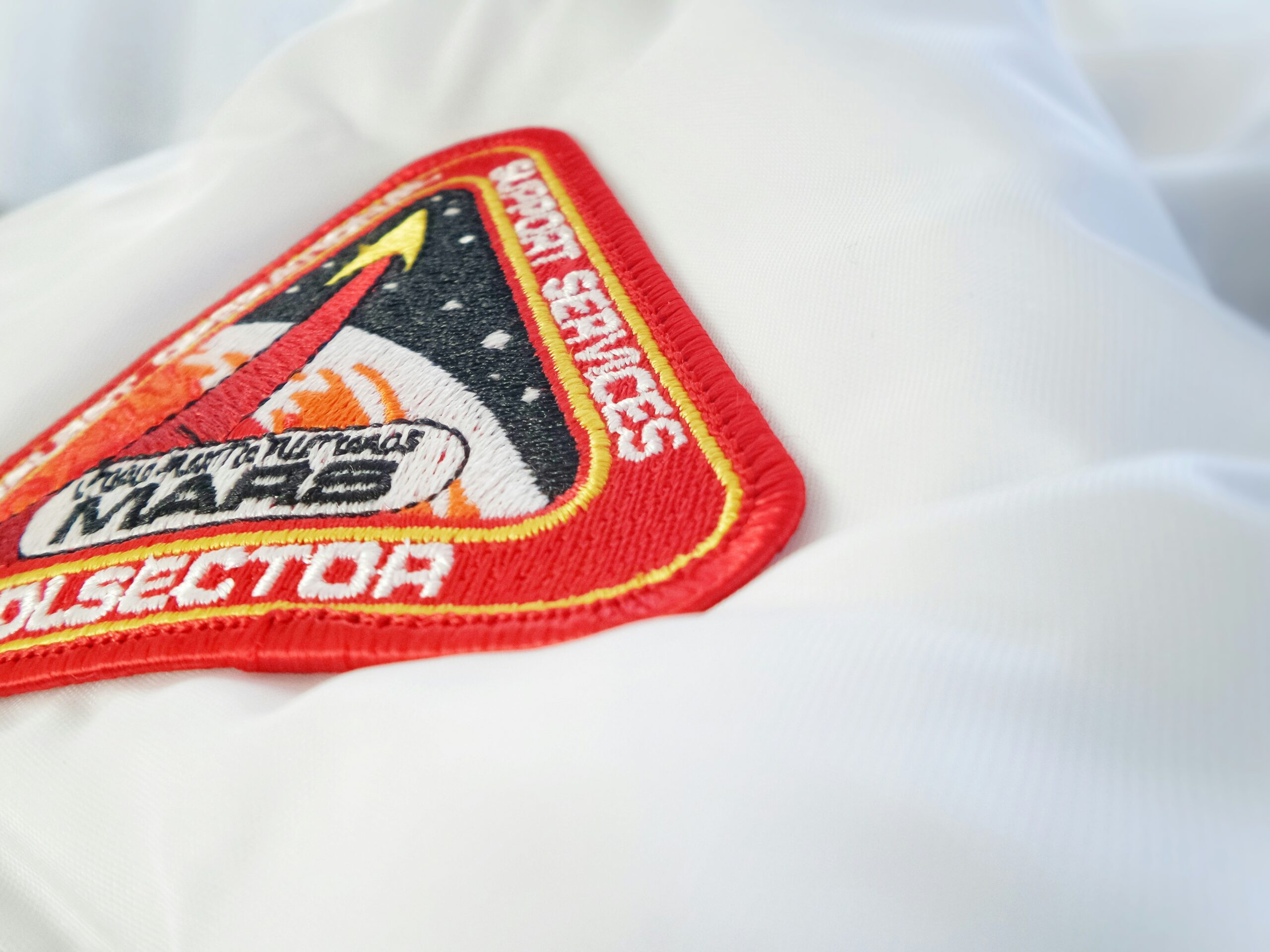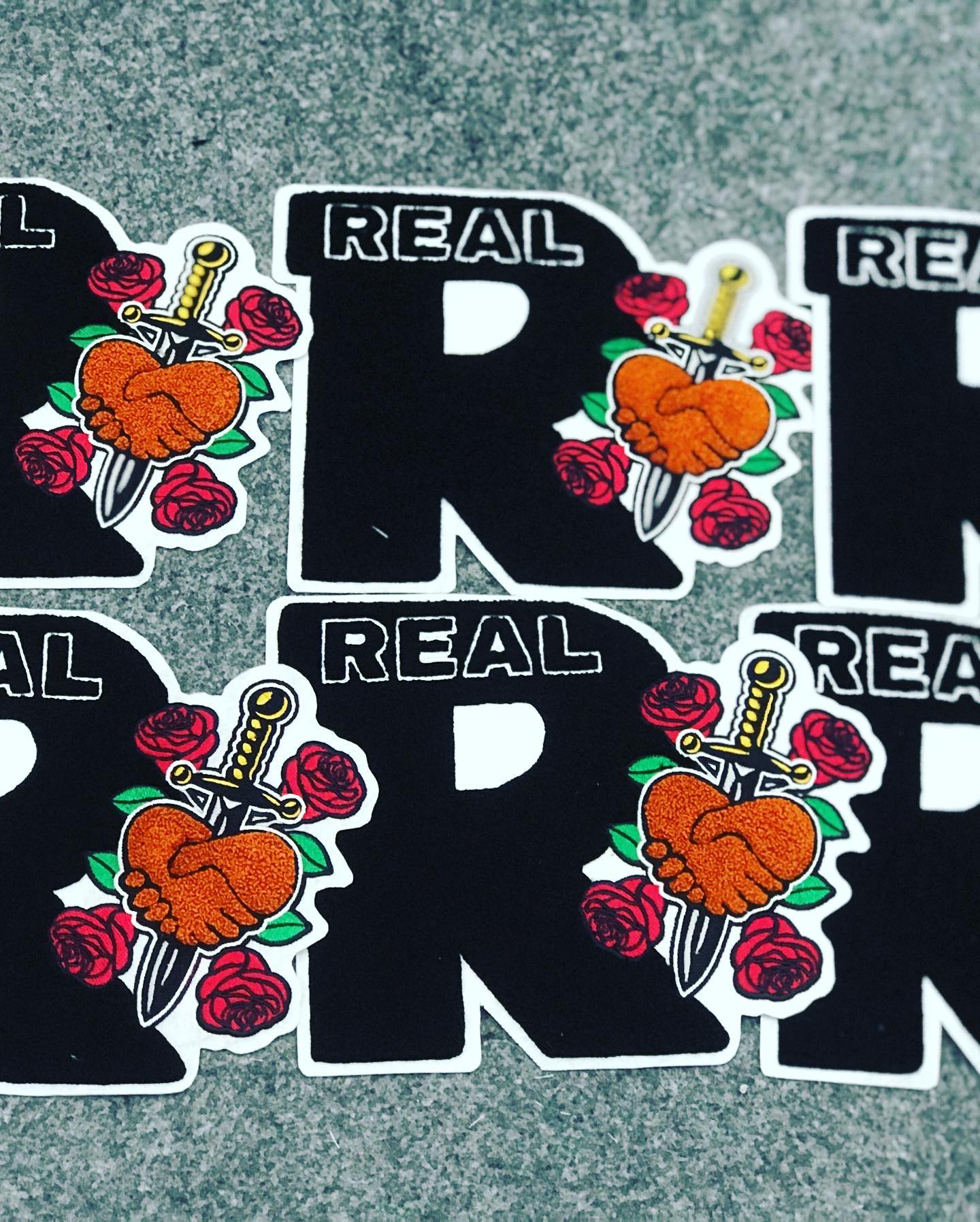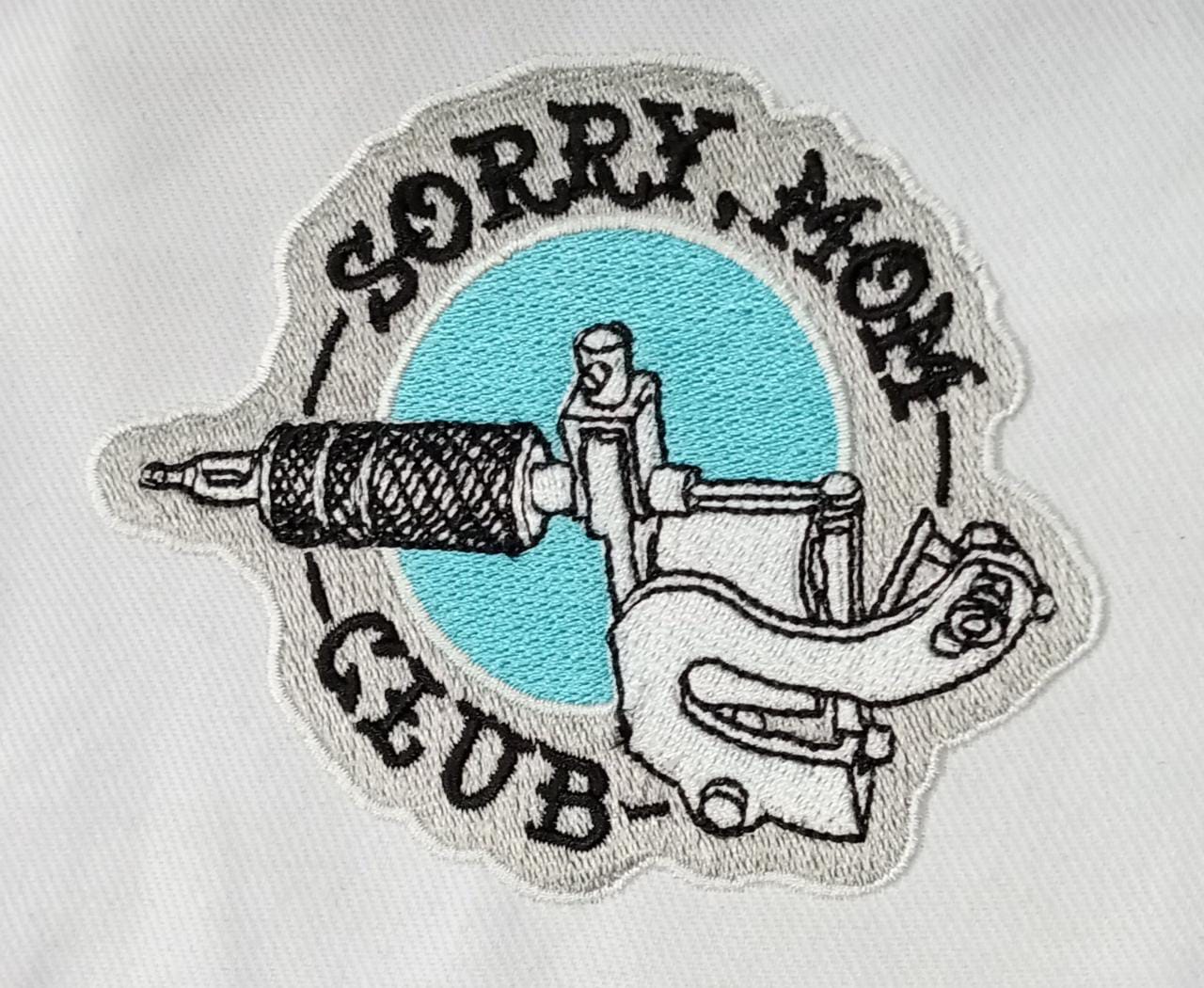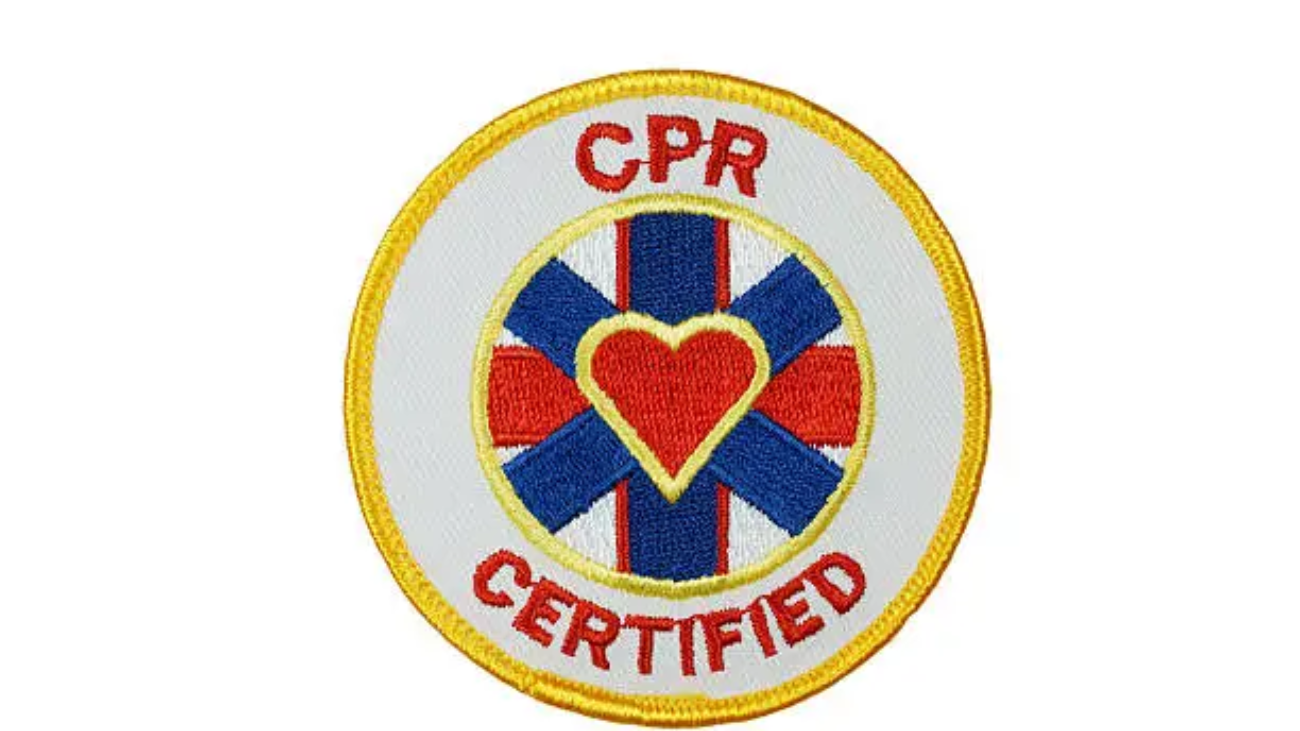
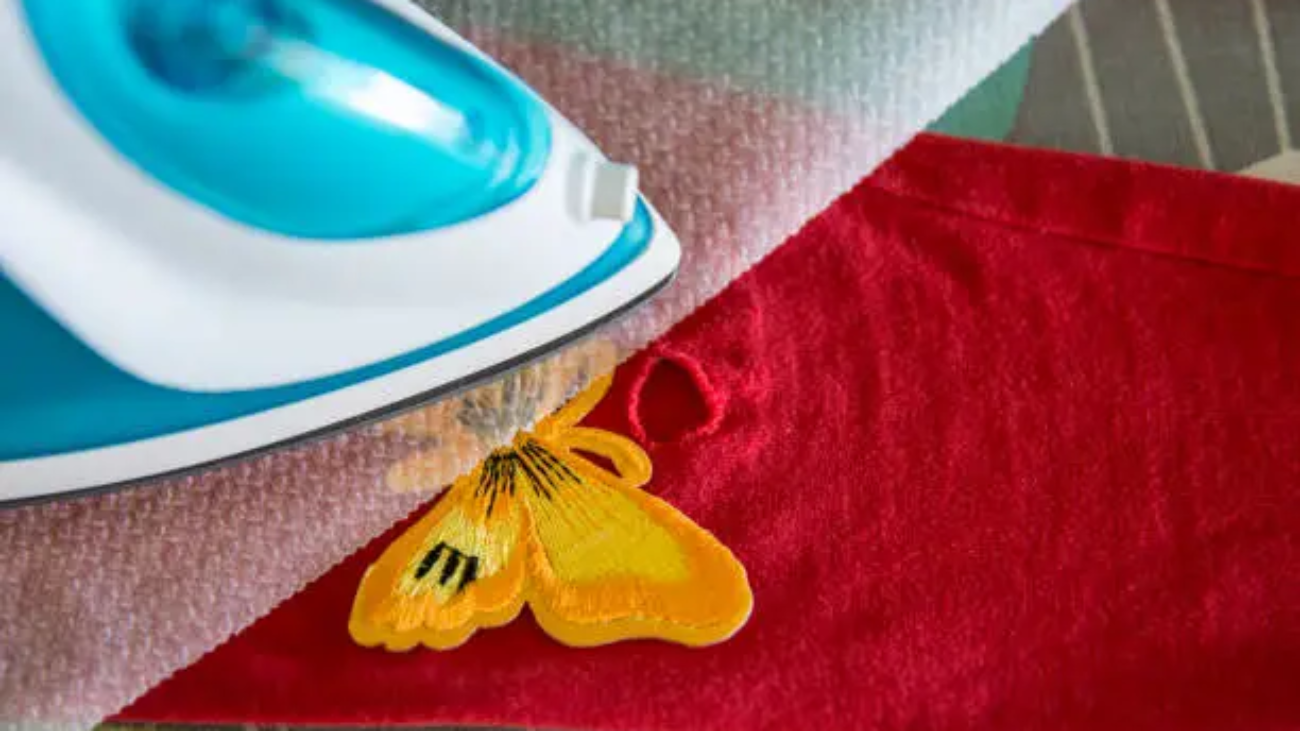
how to iron a patch on a shirt

How to Iron a Patch on a Shirt: A Comprehensive Guide for Flawless Customization 

Adding patches to shirts is a timeless way to refresh your style, showcase your passions, or breathe new life into worn-out clothing. Whether you’re a DIY enthusiast or a first-timer, this guide will walk you through how to iron a patch on a shirt like a pro.


Transform your wardrobe with GemPunch’s premium patches—no sewing required!


how to iron a patch on a shirt

Why Iron Patches on Shirts?

Iron-on patches are a quick, no-fuss solution for personalizing your wardrobe. Perfect for:

Expressing individuality: Show off your favorite designs, from retro motifs to modern art.

Repurposing old shirts: Cover stains, holes, or outdated logos.

Creating cohesive looks: Ideal for team uniforms, events, or gifts.


At GemPunch, we offer vibrant, durable iron-on patches designed to stay put wash after wash.

Ready to customize? Let’s dive in!


Types of Patches for Shirts 

Not all patches are created equal! Here’s a quick breakdown:

Iron-On Patches: Heat-activated adhesive for easy application (perfect for beginners).

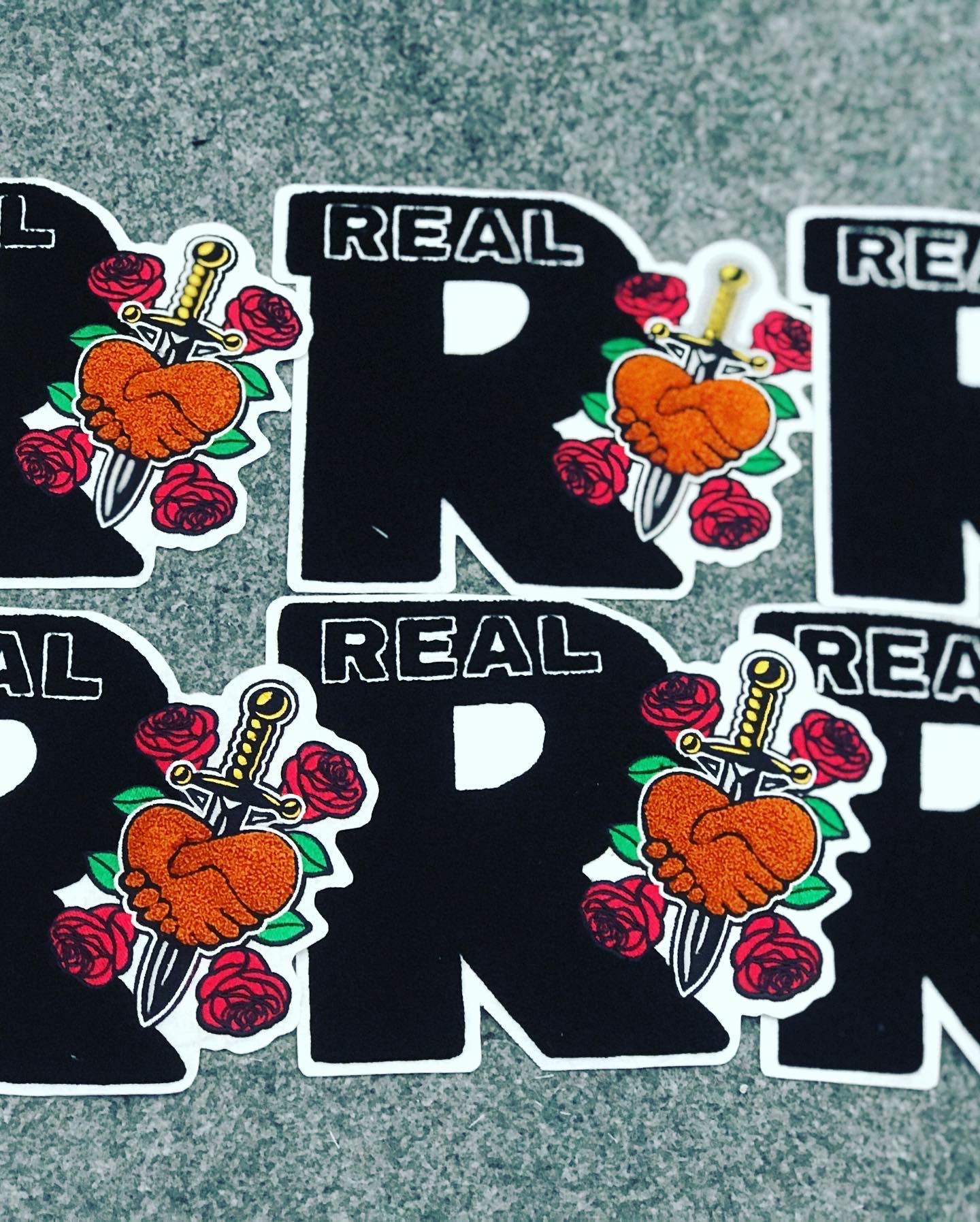
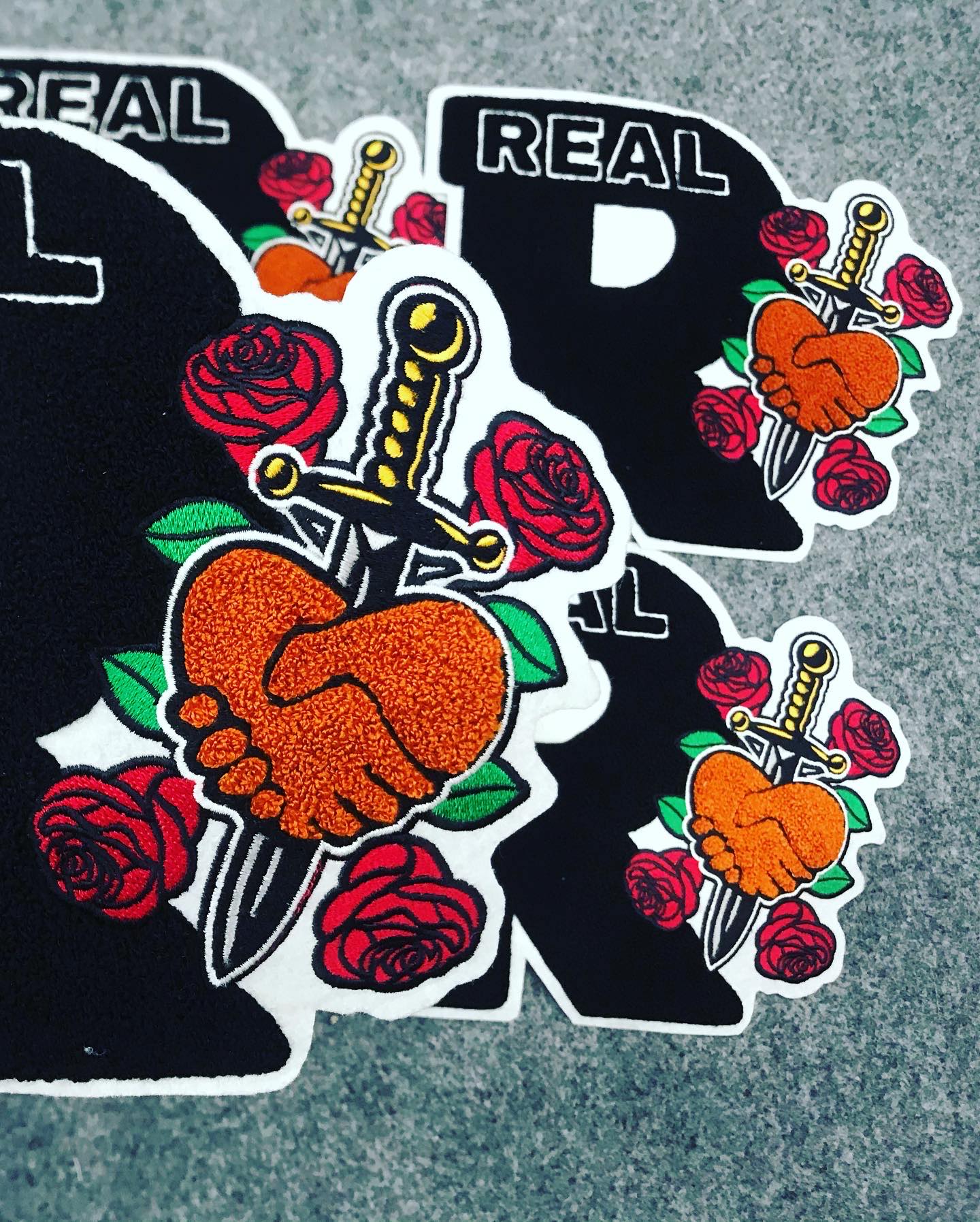
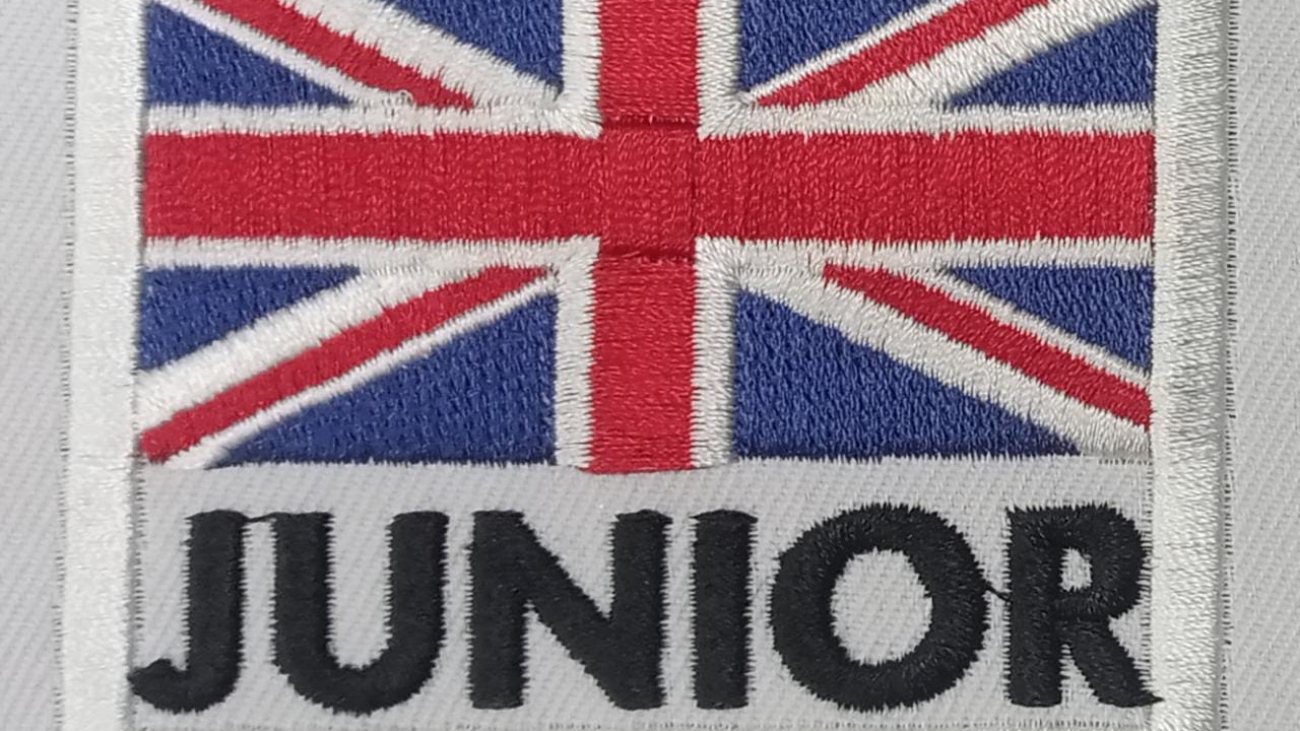
Embroidered Patches: Textured designs that add depth; ideal for casual or statement looks.

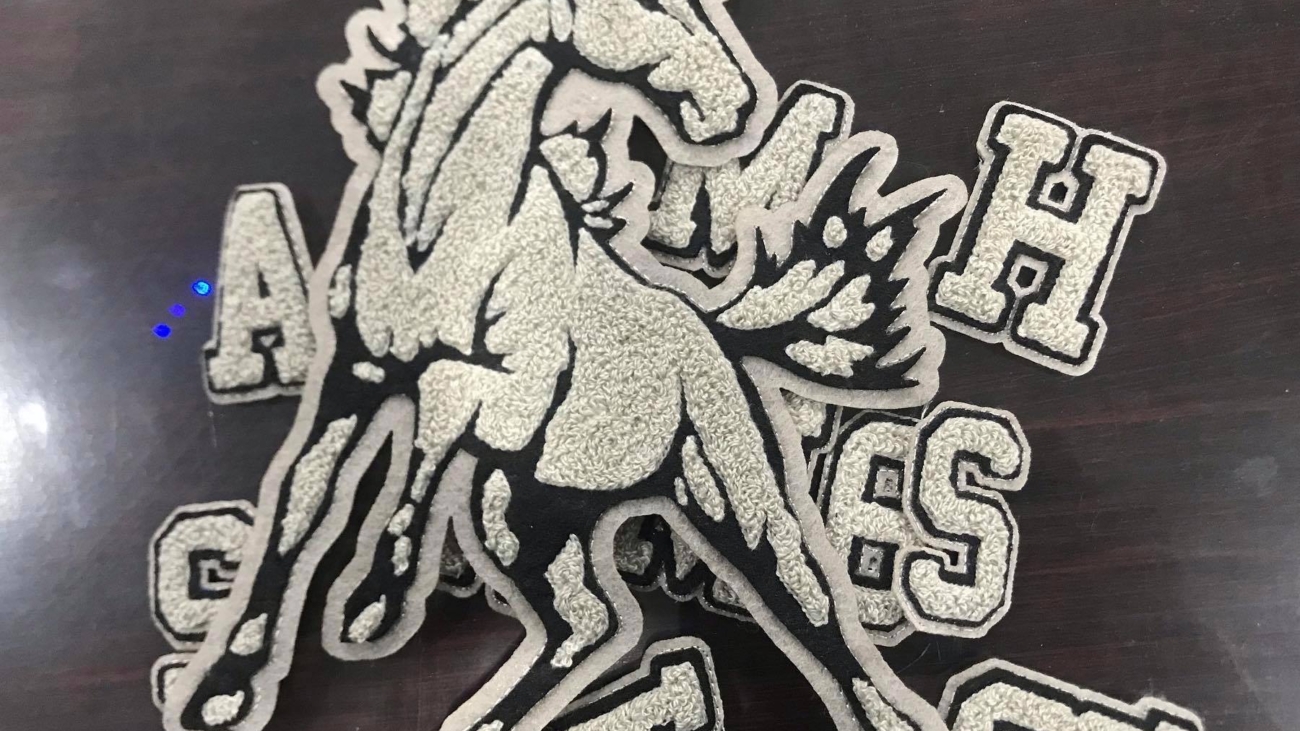
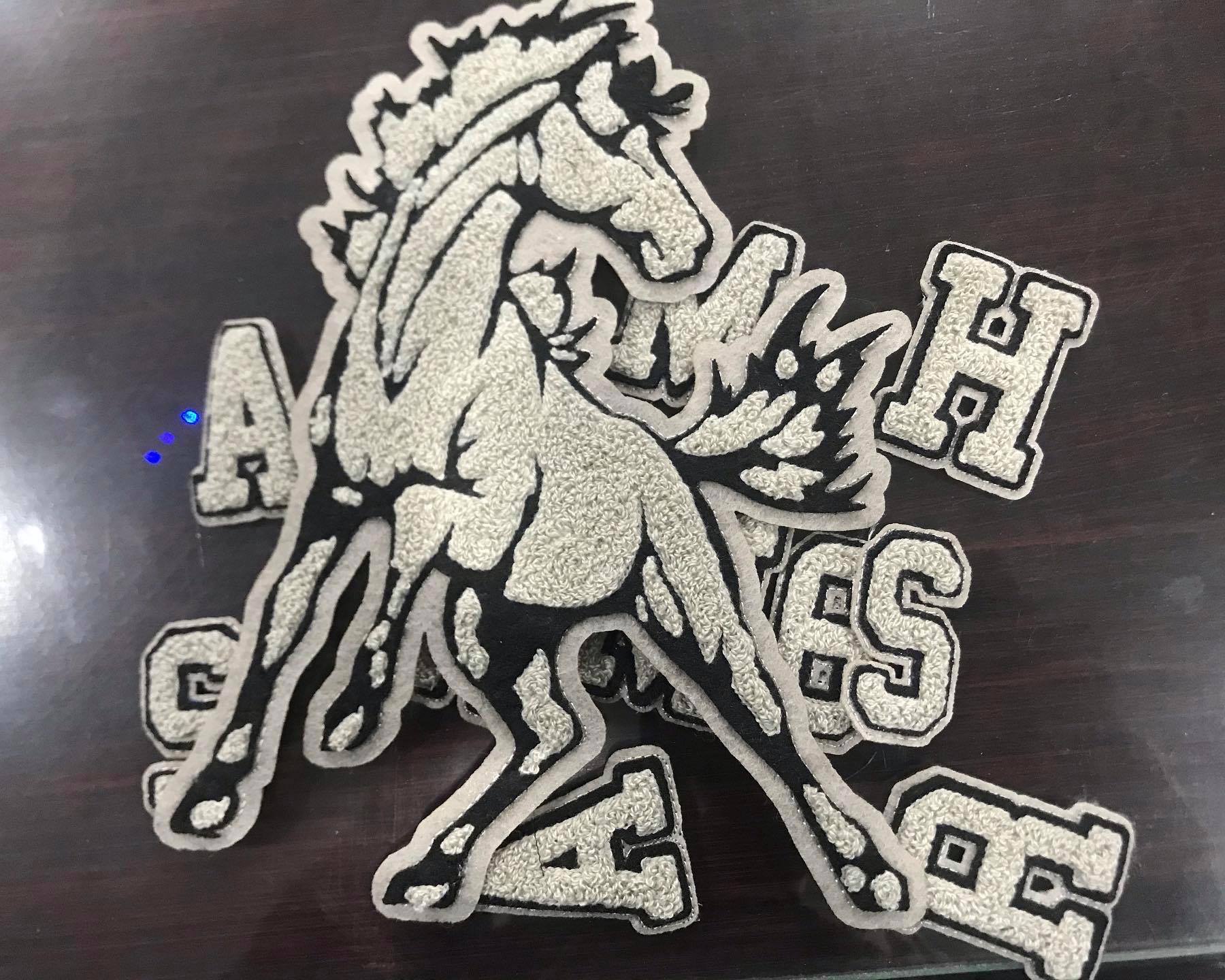
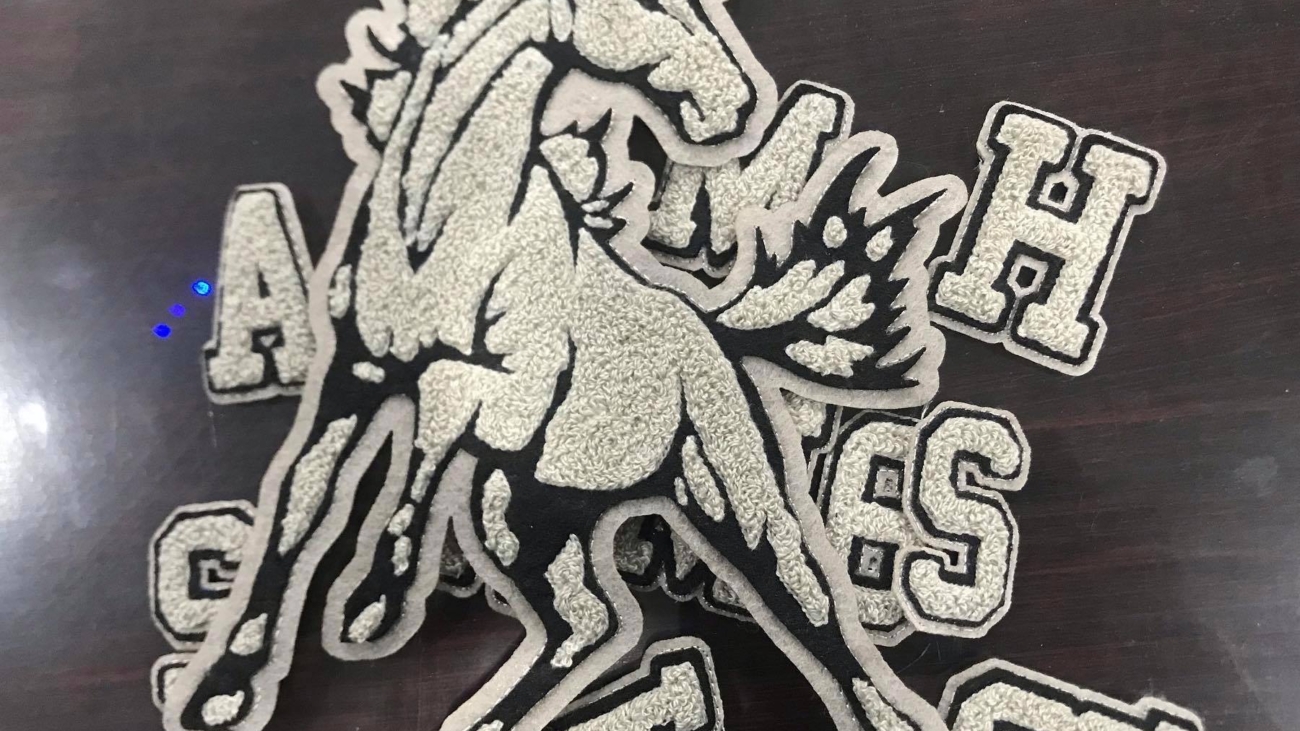
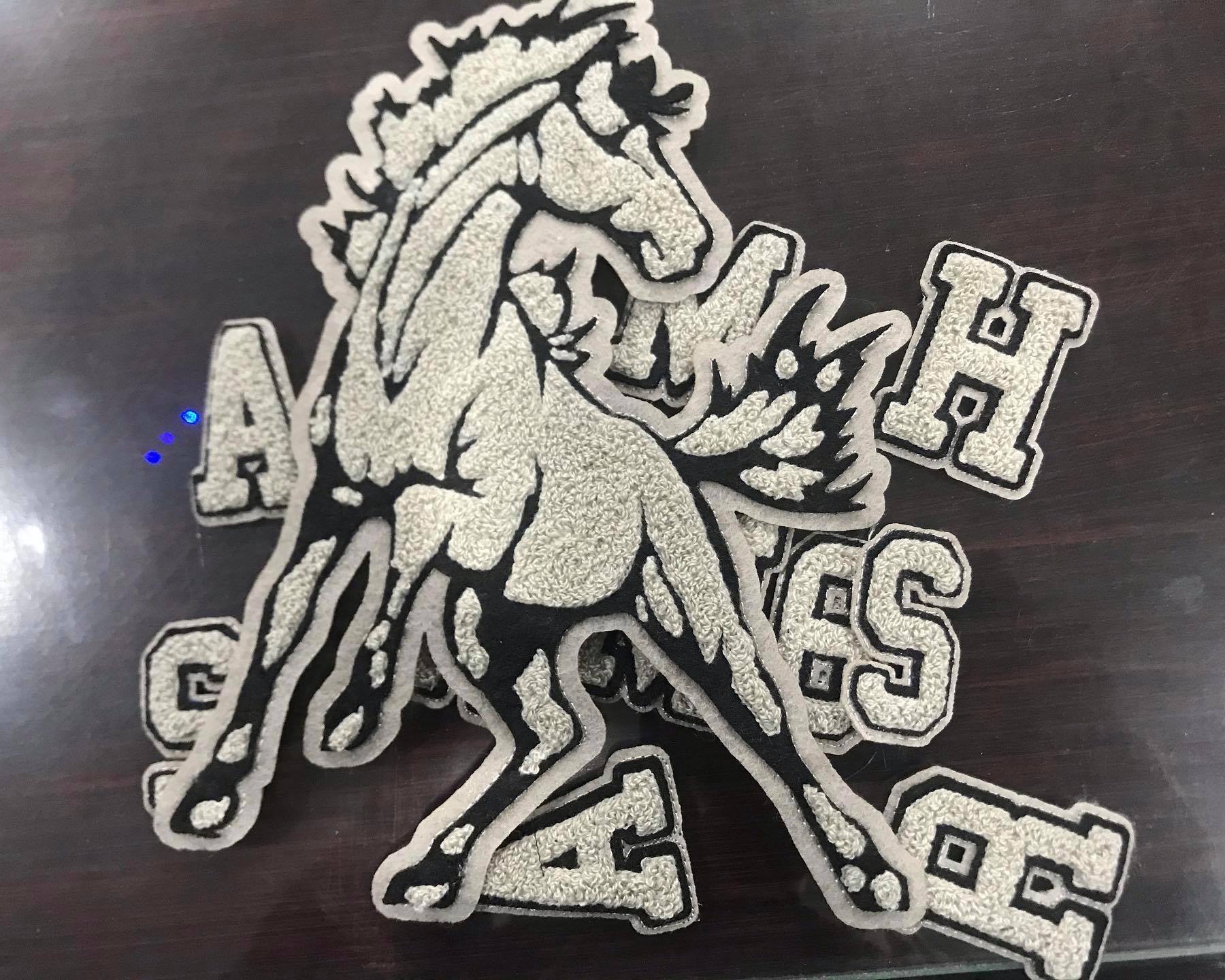
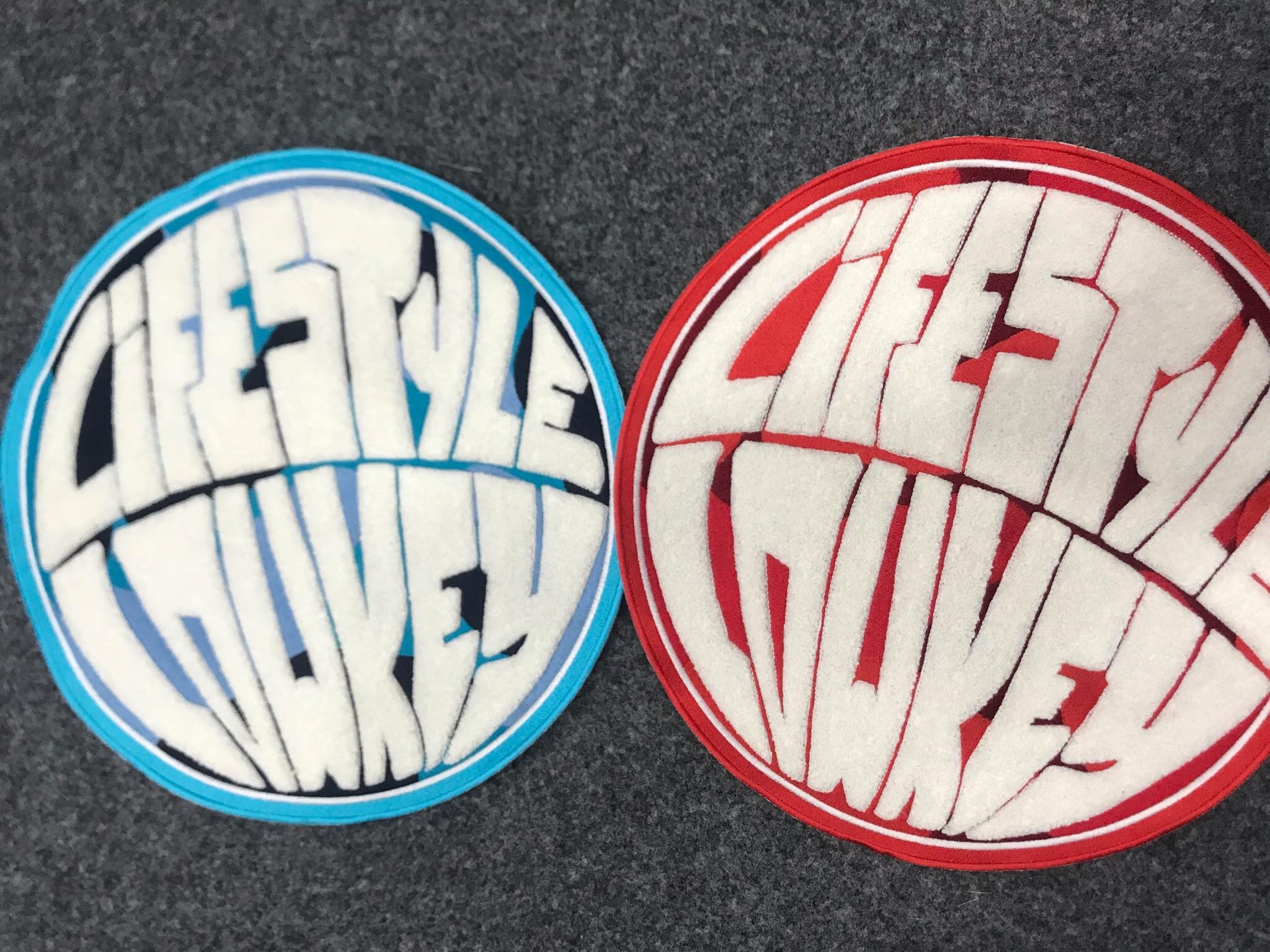
Chenille Patches: Soft, retro-style patches great for jackets and tees.

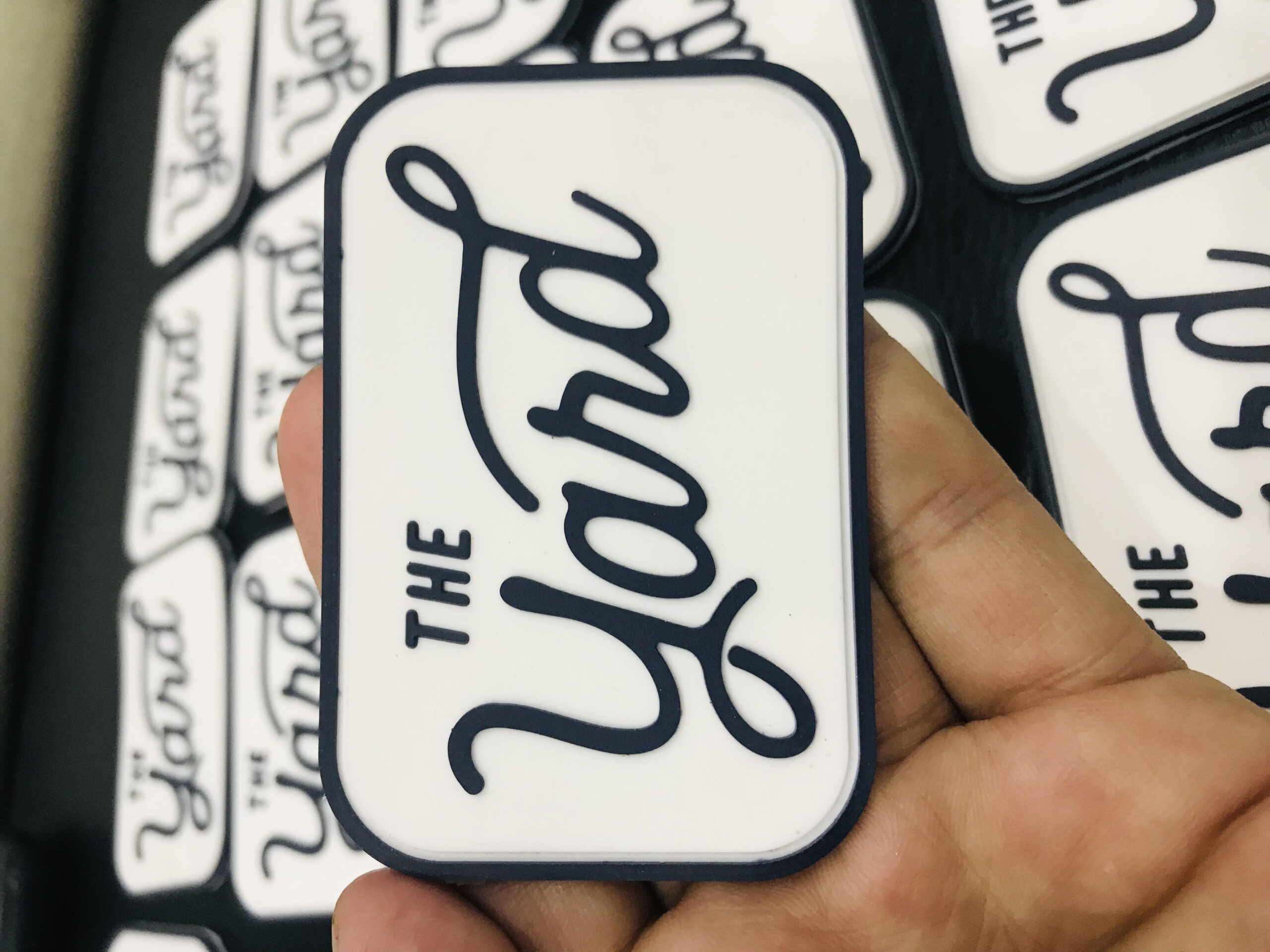
PVC Patches: Waterproof and flexible; excellent for outdoor gear or athletic wear.


Pro Tip: Explore GemPunch’s curated collections for designs that match your vibe!


What You’ll Need

  1. Shirt: Pre-washed and dried (to prevent post-application shrinkage).
  2. Iron-On Patch: Choose from GemPunch’s selection of patches).
  3. Household Iron: No steam function needed.
  4. Pressing Cloth: Thin cotton fabric or parchment paper.
  5. Ironing Board or flat, heat-resistant surface.


Step-by-Step: How to Iron a Patch on a Shirt 


  1. Prep Your Shirt

Wash and dry the shirt (skip fabric softener to avoid residue).

Lay it flat on the ironing board, smoothing out wrinkles.


  1. Position the Patch

Place the patch adhesive-side down on the desired spot. Use sewing pins or heat-resistant tape to secure it.

For symmetry, measure distances from seams or collars.

Learn to Iron a patch on a shirt

  1. Heat the Iron

Set your iron to the highest heat setting (check the shirt’s care label for fabric compatibility).

Turn off the steam function.


  1. Protect with a Pressing Cloth

Cover the patch with a pressing cloth to prevent scorching.


  1. Apply Heat and Pressure

Press the iron firmly over the patch for 30–45 seconds, using circular motions to cover edges.

Flip the shirt inside-out and repeat on the reverse side.


  1. Cool and Test

Let the patch cool completely (10–15 minutes).

Gently tug the edges to test adhesion. If loose, reapply heat.


For Extra Security: Stitch the patch’s perimeter with a needle and thread.


Special Tips for Different Patch Types 

Embroidered Patches: Use extra pressure to ensure threads bond with the fabric.

PVC Patches: Avoid overheating—brief, firm presses work best.

Chenille Patches: Place a thin cloth over fuzzy surfaces to prevent flattening.


Pro Tips for Longevity

Wash Inside-Out: Protects patches from friction.

Air-Dry: Skip the dryer to preserve adhesive integrity.

Reinforce High-Stress Areas: Add a few stitches to corners if the shirt is frequently worn.


Common Mistakes to Avoid 

  1. Skipping the Pressing Cloth: Direct heat can melt adhesive or damage delicate fabrics.
  2. Rushing the Cooling Phase: Adhesion weakens if tested too soon.
  3. Ignoring Fabric Compatibility: Avoid ironing patches onto silk, rayon, or sheer materials.

Fun Ways to Style Patched Shirts 

Revive Plain Tees: Add a bold patch to the chest or sleeve.

Elevate Denim Shirts: Use vintage-inspired patches on collars or pockets.

Create a Theme: Mix and match patches for a cohesive story (e.g., band logos, travel motifs).

A Lady Ironing a Patch on a Shirt

Why Choose GemPunch Patches? 

At GemPunch, we craft high-quality, fade-resistant patches with crisp details and strong adhesive. Whether you’re into minimalist designs or bold statements, our collections cater to every style. Plus, our patches are:

Easy to Apply: Follow our guide for flawless results.

Durable: Survive washes and wear without peeling.

Versatile: Perfect for shirts, jackets, bags, and more!


Final Thoughts

Ironing a patch onto a shirt is an easy, rewarding way to express yourself. With GemPunch’s premium patches and this guide, you’ll create eye-catching designs that last.

Ready to start? Get a Quote and let your creativity shine!


FAQs About Ironing Patches on Shirts 


  1. Can I iron a patch onto a polyester shirt?

Yes! Polyester works well, but use a pressing cloth and avoid exceeding the fabric’s heat tolerance.


  1. How do I remove an iron-on patch?

Heat the patch with an iron, then gently peel it off. Use rubbing alcohol to remove leftover adhesive.


  1. Can I use a hair straightener instead of an iron?

Absolutely! Clamp the straightener over the patch for 30 seconds (cover with parchment paper first).


  1. Why is my patch peeling after washing?

High heat or agitation can weaken adhesion. Always wash inside-out on a gentle cycle and air-dry.


  1. Do GemPunch patches work on hats or bags?

Yes! Our patches adhere to most fabrics, including cotton, denim, and nylon.
How to Turn Your Logo into a Stunning Custom Patch

How to Turn Your Logo into a Stunning Custom Patch: A Complete Guide

Why Custom Patches Elevate Your Brand

How to Turn Your Logo into a Stunning Custom Patch: Your logo is the heartbeat of your brand—it’s how customers recognize and remember you. Custom patches take that identity further, turning logos into tactile, versatile assets for uniforms, merchandise, and beyond. At Gempunch, we specialize in crafting patches that blend creativity with durability. Whether you’re a startup or established brand, this guide will help you convert your logo into a standout patch.

How to Turn Your Logo into a Stunning Custom Patch

Step 1: Preparing Your Logo for Patch Design

Simplify Complex Details

Why It Matters: Intricate designs may lose clarity when stitched or molded.

Remove tiny text or thin lines.

Use bold shapes and high-contrast colors.

Convert fonts to vector outlines to avoid substitution errors.


Choose the Right File Format 

Vector Files (AI, EPS): Ideal for scalability without quality loss.

High-Resolution Raster (PNG, PSD): Ensure 300+ DPI for detailed designs.


Step 2: Selecting the Perfect Patch Type 

Embroidered Patches

Best For: Textured, rugged logos (e.g., vintage or corporate designs).

Trend Alert: Add 3D puff embroidery to highlight key elements.


Woven Patches

Best For: Logos with gradients, fine lines, or photorealistic details.


PVC Patches 

Best For: Weatherproof, bold designs needing vibrant colors.


Step 3: Design Considerations for Maximum Impact

Color Matching 

Use Pantone (PMS) codes for accuracy.

Avoid gradients unless using woven patches.


Size & Shape

Standard Sizes: 2–4 inches for visibility.

Custom Shapes: PVC allows die-cut contours (e.g., animal silhouettes).


Backing Options 

Iron-On: Quick application for casual use.

Velcro: Reusable for uniforms or tactical gear.

Adhesive: Temporary fixes on delicate fabrics.

How to Turn Your Logo into a Custom Patch

Step 4: Partnering with a Reliable Manufacturer 

Request a Sample 

Evaluate stitch density, color accuracy, and material quality.

Pro Tip: Test washability and weather resistance.


Review Digital Proofs

Check alignment, borders, and thread density.

Trend Alert: Gempunch offers 3D digital mockups for faster revisions.


Trends in Custom Patch Design

  1. Minimalist Aesthetics: Clean lines and negative space for modern appeal.
  2. Eco-Friendly Materials: Biodegradable threads and recycled PVC.
  3. Tech Integration: Embed QR codes for AR experiences or loyalty programs.
  4. Metallic Finishes: Gold/silver foil for luxury branding.

The Significance of Custom Patches in Branding 

Brand Consistency: Ensure your logo looks crisp across all mediums.

Cost-Effectiveness: Patches offer 500+ impressions per use—cheaper than digital ads.

Versatility: Use on uniforms, merch, or promotional items.


Common Mistakes to Avoid 

Overcomplicating designs.

Ignoring bleed margins.

Skipping sample testing.


Transform Your Logo into a Branding Powerhouse 

Turning your logo into a custom patch is a strategic move that merges creativity with practicality. By simplifying your design, leveraging trends like eco-materials, and partnering with Gempunch, you’ll create patches that captivate audiences and endure daily wear.


Ready to Make Your Mark?

 Get a Free Quote


Frequently Asked Questions

Q1: Can I use a JPEG for my patch design?

Yes, but vector files ensure sharper results. Convert JPEGs using vectorization tools.


Q2: How small can text be on a patch?

Minimum 0.25 inches (6mm) for readability.


Q3: Are PVC patches eco-friendly?

Opt for Gempunch’s eco-friendly patches to reduce environmental impact.


Q4: How long does production take?

2–4 weeks after approval. Rush options are available.


Q5: Can I trademark my patch design?

Yes! Protect unique logos with legal trademarks.

Top 7 Eco-Friendly Materials for Sustainable Custom Patches

Eco-Friendly Materials for Sustainable Custom Patches

Eco-Friendly Materials for Sustainable Custom Patches

As consumers demand eco-conscious products, sustainable custom patches have become a powerful tool for brands to showcase their environmental commitment. From biodegradable fabrics to recycled threads, innovative materials are reshaping the patch industry. At GemPunch, we’re leading this green revolution. Here’s your guide to the top 7 eco-friendly materials, plus trends and tips to make your patches planet-friendly.

Top 7 Eco-Friendly Materials for Sustainable Custom Patches

Organic Cotton

The Classic Go-To for Eco-Conscious Brands 

What It Is: Cotton grown without synthetic pesticides or fertilizers.

Benefits: 

Biodegradable and compostable.

Soft texture ideal for apparel patches.

Certifications like GOTS (Global Organic Textile Standard) ensure ethical production.

Best For: Fashion brands, corporate uniforms, and casual wear.


Recycled Polyester

Transforming Plastic Waste into Stylish Patches 

What It Is: Polyester made from recycled plastic bottles or textile waste.

Benefits: 

Diverts plastic from landfills.

Durable and colorfast, perfect for outdoor gear.

50% less energy used vs. virgin polyester.

Best For: Sportswear, backpacks, and tactical gear.


Hemp Fabric 

The Durable, Low-Impact Superstar

What It Is: Fibers from the hemp plant, requiring minimal water and no pesticides.

Benefits: 

Naturally antimicrobial and UV-resistant.

Stronger and longer-lasting than cotton.

Improves soil health during growth.

Best For: Rugged outdoor apparel, eco-activist merch, and pet accessories.


Pro Tip: Pair hemp with soy-based inks for a 100% natural patch.


PLA (Polylactic Acid) 

The Bioplastic Revolution 

What It Is: A plant-based plastic derived from cornstarch or sugarcane.

Benefits: 

Compostable in industrial facilities.

Mimics PVC’s 3D look without the environmental toll.

Carbon-neutral production process.

Best For: Branded merchandise, event giveaways, and tech accessories.

Eco-Friendly Materials for Sustainable Custom Patches

Recycled Nylon

Fishing Nets Turned Fashion Statements 

What It Is: Nylon made from discarded fishing nets and fabric scraps.

Benefits: 

Reduces ocean plastic pollution.

Lightweight and water-resistant.

Certifications like Econyl® guarantee sustainability.

Best For: Swimwear, activewear, and marine-themed patches.


Cork Fabric 

Nature’s Renewable Wonder 

What It Is: Harvested from cork oak trees without harming the plant.

Benefits: 

Hypoallergenic and waterproof.

Unique, textured appearance.

Trees absorb CO2, making it carbon-negative.

Best For: Luxury brands, vegan products, and eco-lifestyle merch.


Trend Alert: Cork patches are trending for wedding favors and minimalist branding.


Bamboo Fiber

Fast-Growing and Silky-Soft

What It Is: Fibers extracted from bamboo pulp.

Benefits: 

Grows 3x faster than cotton with no pesticides.

Naturally antibacterial and moisture-wicking.

Biodegradable and silky texture.

Best For: Wellness brands, baby clothing, and athleisure.

Eco-Friendly Materials for Custom Patches

Trends in Sustainable Patches

  1. Plant-Based Dyes: Replace chemical dyes with avocado pits, turmeric, or beetroot.
  2. Zero-Waste Production: Patches cut from fabric scraps to minimize waste.
  3. Seed-Embedded Patches: Compost the patch to grow wildflowers or herbs.
  4. Blockchain Transparency: QR codes trace material origins for eco-conscious buyers.

Actionable Tips for Sustainable Success

  1. Audit Suppliers: Ask for certifications like GOTS or Fair Trade.
  2. Educate Customers: Add care instructions and composting tips to packaging.
  3. Start Small: Test one eco-material (e.g., organic cotton) before scaling.
  4. Promote Your Efforts: Highlight sustainability in social campaigns.


Stitch Sustainability into Your Brand’s DNA 

Eco-friendly patches aren’t just a trend—they’re a necessity for forward-thinking brands. By choosing materials like organic cotton, hemp, or PLA, you reduce waste, captivate green-minded customers, and future-proof your business.


Ready to Go Green?


Frequently Asked Questions

  1. Are sustainable patches more expensive?

Slightly—organic materials cost 10–20% more, but prices drop with bulk orders.


  1. How durable are eco-friendly patches?

Hemp and recycled nylon rival traditional materials. PLA lasts 2–3 years outdoors.


  1. Can I recycle old patches?

Yes! Organic cotton, hemp, and PLA are compostable.


  1. Where can I source eco materials?

GemPunch partners with OEKO-TEX® and GOTS-certified suppliers.


  1. Do eco-patches work for outdoor gear?

Absolutely—recycled polyester and hemp excel in harsh conditions.

The Hidden Power of Custom Patches

The Hidden Power of Custom Patches

In an era of fleeting digital ads, custom patches are quietly revolutionizing branding. Beyond aesthetics, these tactile emblems drive measurable returns—from loyalty to viral reach. At GemPunch, we’ve seen brands unlock 300%+ ROI using The Hidden Power of Custom Patches in ways you’d never expect. Let’s dive into the 10 most surprising strategies.

The Hidden Power of Custom Patches

  1. Turn Customers into Walking Billboards

Free Advertising with Every Stitch

Custom patches transform customers into brand ambassadors, turning everyday items like jackets, backpacks, and hats into mobile advertisements.

ROI Boost: A 2023 study by the Promotional Products Association International found that wearable merch generates 85% higher brand recall than digital ads.

Case Study: A boutique fitness studio distributed patches with their logo to members. Within 3 months, 30% of new sign-ups cited seeing the patches in public as their reason for joining.

Pro Tip: Use bold, minimalist designs with your logo and tagline.


  1. Launch a Collectible Patch Series

Foster Loyalty through Scarcity

Limited-edition patches tap into the psychology of FOMO (Fear of Missing Out), encouraging repeat purchases and social sharing.

How It Works: Release seasonal or milestone-themed patches (e.g., “2025 Summer Series” or “10th Anniversary Edition”).

ROI Boost: A specialty coffee brand saw 25% higher customer retention with a “Collect All 5” campaign, where buyers earned a free bag of coffee after collecting five patches.

Trend Alert: Gamify collections with QR codes that unlock digital rewards (e.g., discounts, exclusive content).


  1. Slash Employee Uniform Costs

Swap Expensive Logos for Affordable Patches 

Replacing traditional embroidered uniforms with removable patches saves money and boosts flexibility.

How It Works: Use Velcro®-backed patches for uniforms, allowing easy swaps for promotions or seasonal themes.

ROI Boost: A national delivery company saved $8k annually by patching uniforms instead of reprinting new ones for each marketing campaign.

Pro Tip: Rotate patches for holidays (e.g., pumpkin designs for fall) or sales events to keep branding fresh.


  1. Drive Social Media Virality

Hashtag Challenges + User-Generated Content 

Patches are inherently shareable, making them ideal for social media campaigns.

How It Works: Host a “Show Your Patch” contest, rewarding customers who post creative photos with discounts or free products.

ROI Boost: A skateboard brand gained 5,000+ Instagram followers in a week using the hashtag #PatchAndShred, with 200+ entries featuring their patches.

Trend Alert: Partner with micro-influencers (10k–50k followers) to model patched gear for authentic engagement.

The Power of Custom Patches

  1. Boost Nonprofit Fundraising

Cause Marketing That Pays 

Patches bridge branding and philanthropy, attracting socially conscious consumers.

How It Works: Sell cause-themed patches (e.g., “Save the Bees” or “Ocean Cleanup Crew”) and donate proceeds to nonprofits.

ROI Boost: An eco-friendly apparel brand raised $50k for marine conservation via patch sales, while increasing website traffic by 40%.


  1. Enhance Product Packaging

Surprise and Delight = Repeat Buyers

Including a free patch in orders creates a memorable unboxing experience.

How It Works: Add a branded patch as a “thank you” gift with purchases.

ROI Boost: A skincare startup saw 40% repeat sales after introducing patches, with 60% of customers sharing photos of their patched products online.

Pro Tip: Use biodegradable patches to align with sustainability trends and appeal to eco-conscious buyers.


  1. Tap into Nostalgia with Retro Designs

Profit from the Vintage Revival 

Retro aesthetics resonate deeply with Gen X and Millennial audiences.

How It Works: Design patches inspired by 80s neon, 90s grunge, or vintage military styles.

ROI Boost: A retro gaming brand doubled sales with “Throwback Thursday” patches featuring pixel art from classic games.

Trend Alert: Distressed embroidery and faded colors mimic “well-loved” vintage vibes.


  1. Embed NFC Chips for Smart Marketing

Turn Patches into Digital Gateways 

Near-Field Communication (NFC) technology turns patches into interactive tools.

How It Works: Embed NFC tags in patches to link to promo codes, AR experiences, or landing pages.

ROI Boost: A craft brewery’s NFC patches drove 20% app downloads in 3 months, with users scanning patches to unlock loyalty rewards.

Trend Alert: 2025’s top tech trend for merging physical and digital branding.


  1. Monetize Events with Patch Merch

Festival-Goers = Walking Ads

Patches are lightweight, easy to sell, and highly visible at events.

How It Works: Sell branded patches at concerts, fairs, or conventions.

ROI Boost: A music festival earned $15k from patch sales while boosting social buzz, with attendees tagging the festival in 500+ posts.

Pro Tip: Use glow-in-the-dark patches for night events—72% of buyers at a recent rave opted for luminous designs.


  1. Build B2B Partnerships

Co-Branded Patches for Shared Audiences

Collaborate with complementary brands to amplify reach.

How It Works: Partner with non-competing businesses (e.g., a bike shop + energy bar company) to create co-branded patches.

ROI Boost: A joint campaign between a cycling brand and a nutrition company increased both brands’ web traffic by 35% and cross-promoted email lists by 1,200 subscribers.

Power of Custom Patches

Trends in Custom Patches 

Innovations to Watch 

  1. Biodegradable Materials: Compostable PLA patches appeal to eco-conscious buyers (searches for “sustainable patches” up 72% YoY).
  2. Mini Patches: Tiny designs (1–2 inches) for subtle branding on AirTag holders, pet collars, or laptop sleeves.
  3. AI-Generated Art: Tools like MidJourney create custom designs in minutes, slashing production time.
  4. Reflective Threads: Safety meets style for runners, cyclists, and outdoor enthusiasts.


Transform Patches into Profit

Custom patches aren’t just accessories—they’re ROI powerhouses that blend creativity, strategy, and durability. Whether you’re boosting loyalty, slashing costs, or tapping trends, these tiny emblems deliver outsized returns.


Frequently Asked Questions

  1. How much do patches cost vs. other branding methods?

Patches start at $2 each (bulk discounts available)—cheaper than most printed merch like T-shirts or mugs.


  1. Can patches survive washing/daily wear?

Yes! Embroidered and PVC patches last 50+ washes, while woven patches handle rugged use.


  1. How do I track patch-driven ROI?

– Use unique promo codes on patches.

– Track UGC hashtags with tools like Hootsuite.

– Monitor spikes in direct traffic after events.


  1. What’s the minimum order quantity (MOQ)?

At GemPunch, MOQ is 50 patches—ideal for testing campaigns without breaking the bank.


  1. How long does production take?

Most orders ship in 2–3 weeks. Rush production (5–7 days) is available for urgent projects.

How Custom Patches Are Made From Design to Final Product

How Custom Patches Are Made: 5 Key Steps from Design to Final Product

The Art and Science behind Custom Patches

How Custom Patches Are Made; Custom patches are more than just fabric and thread—they’re wearable stories. Whether for branding, military units, or fashion statements, each patch starts as an idea and evolves into a tangible emblem through precision craftsmanship. At GEMPUNCH, we’ve mastered this blend of creativity and technology. Here’s how it’s done.

How Custom Patches Are Made From Design to Final Product


Step 1: Designing Your Patch

Where Creativity Meets Strategy 

The journey begins with a vision. A great patch design balances aesthetics and functionality:

Vector Art: Use tools like Adobe Illustrator to create crisp, scalable designs.

Color Palette: Limit colors to 6–8 for embroidery clarity.

Size & Shape: Standard patches are 2–4 inches, but custom shapes (circles, shields, die-cuts) stand out.


Pro Tip: Add texture with 3D foam or metallic thread for luxury appeal.


Step 2: Digitizing the Design 

Translating Art into Machine Language 

Digitizing converts your design into a file embroidery machines understand. Key considerations:

Stitch Types: Satin stitches (for borders) vs. fill stitches (for backgrounds).

Underlay: Stabilizes fabric to prevent puckering.

Thread Density: Too dense = stiff patches; too light = fraying.


Actionable Advice: Work with a digitizing expert (like GEMPUNCH) to avoid costly errors.

How Custom Patches Are Made

Step 3: Choosing Materials

Fabric, Thread, and Backing Options

Fabric: Twill (most common), felt, or eco-friendly options like organic cotton.

Thread: Polyester (durable) or rayon (shiny finish).

Backing: Iron-on, Velcro®, or sew-on for versatility.


Trend Alert: Biodegradable PVC and recycled threads are booming for eco-conscious brands.


Step 4: Production Techniques 

Embroidery, Woven, or PVC? 

Embroidered Patches 

Process: Layers of thread stitched onto fabric, cut with merrowed edges.

Best For: Bold logos, military patches, and vintage vibes.


Woven Patches 

Process: Fine threads woven tightly for intricate details (e.g., text).

Best For: Small designs with gradients.


PVC Patches 

Process: Molded rubber-like material for 3D effects.

Best For: Durability (ideal for outdoor gear).


Did You Know? GEMPUNCH offers glow-in-the-dark and reflective patches for tactical or safety uses.


Step 5: Quality Control & Finishing

The Final Polish 

Inspection: Check for loose threads, color mismatches, or alignment issues.

Cutting: Laser-cut edges for precision shapes.

Packaging: Individually wrapped or bulk batches.


GEMPUNCH Guarantee: Every patch undergoes a 3-step quality check before shipping.


Trends Shaping Custom Patch Production 

Innovations to Watch 

Smart Patches: Embed NFC chips for interactive branding.

Vintage Revival: Distressed embroidery for retro aesthetics.

Mini Patches: Tiny designs (1-inch) for subtle flair on collars or hats.

How Custom Patches Are Made: Design to Final Product

Why Custom Patches Matter 

Beyond Aesthetics

Brand Loyalty: Patches turn customers into walking billboards.

Durability: Outlast stickers and prints.

Versatility: Promote causes, commemorate events, or unify teams.


Ready to Bring Your Design to Life? 

Custom patches blend artistry and engineering to create lasting impressions. At GEMPUNCH, we handle every step—from your sketch to a flawless final product.


Frequently Asked Questions

  1. How long does it take to make custom patches?

Typically 2–3 weeks, including design approval and production.


  1. What’s the minimum order quantity (MOQ)?

At GEMPUNCH, MOQ starts at 50 patches—perfect for small businesses.


  1. Can I use Pantone colors?

Yes! We match Pantone codes for exact brand consistency.


  1. Are PVC patches waterproof?

Absolutely—ideal for outdoor gear or uniforms.


  1. How do I apply patches?

Iron-on, sewing, or Velcro®. How to Apply Patches: A Complete Guide

10 Unexpected Ways to Use Custom Patches

10 Unexpected Ways to Use Custom Patches (Beyond Jackets & Bags!)

Reinventing Custom Patches 

Custom patches have evolved far beyond their traditional role as simple embellishments for jackets and bags. Today, they’re a dynamic tool for branding, personalization, and creative expression. Whether you’re a business looking to stand out or an individual craving unique flair, this guide uncovers 10 creative uses for custom patches you haven’t tried yet. From tech gadgets to home décor, we’ll show you Ways to Use Custom Patches to maximize their potential—no sewing required!

10 Unexpected Ways to Use Custom Patches

  1. Tech Gadgets: Elevate Everyday Devices

Why It Works: Tech accessories like phone cases, laptops, and earbuds are blank canvases for customization. Patches add personality while keeping designs functional.


Phone Cases: Adhere a sleek PVC patch to a plain case for a luxury feel.

Laptop Sleeves: Embroider your logo onto a sleeve to turn it into branded merchandise.

Wireless Earbuds: Use mini iron-on patches to personalize charging cases.


Pro Tip: Opt for glow-in-the-dark or metallic finishes to make tech gear pop.


Trend Alert: Brands are embedding QR code patches on tech accessories to link users to tutorials, apps, or exclusive content.


  1. Home Décor: Transform Your Space

Why It Works: Patches offer a non-permanent way to refresh home décor, ideal for renters or trend-conscious decorators.


Throw Pillows: Iron on seasonal patches (e.g., holiday motifs, florals) to update pillow covers.

Wall Art: Frame a collection of woven patches for an eclectic gallery wall.

Curtains & Tablecloths: Add subtle texture with embroidered accents.


  1. Pet Fashion: Pamper Your Furry Friends

Why It Works: Pets are family—why not let them flaunt their personality?


Collars & Leashes: Embroider your pet’s name or a fun slogan like “Adventure Dog.”

Bandanas: Use Velcro-backed patches to swap designs for holidays or events.

Pet Beds: Sew on patches to label beds in multi-pet households.


Pro Tip: Add reflective patches to collars for nighttime safety during walks.


Unexpected Ways to Use Custom Patches

  1. Event Merchandise: Create Lasting Memories

Why It Works: Patches turn disposable event swag into keepsakes.


Festival Wristbands: Replace flimsy paper bands with reusable fabric cuffs adorned with patches.

Conference Lanyards: Add branded patches to spark networking conversations.

Wedding Favors: Gift embroidered patches with the couple’s initials or wedding date.


Trend Alert: Eco-conscious events are opting for biodegradable patches made from recycled materials.


  1. Sports & Fitness Gear: Rally Team Spirit

Why It Works: Patches add motivation and identity to athletic gear.


Bike Helmets: Use weatherproof PVC patches to personalize helmets.

Yoga Mats: Iron on inspirational quotes like “Breathe” or “Stronger Every Day.”

Gym Bags: Award achievement patches for fitness milestones (e.g., “100 Classes!”).


Pro Tip: Partner with local sports teams to create limited-edition patches for fans.


  1. Footwear: Step Up Your Shoe Game

Why It Works: Shoes are a universal canvas for self-expression.


Sneakers: Iron on logos or abstract designs to transform plain sneakers.

Sandals: Add waterproof PVC patches for summer-ready style.

Hiking Boots: Use rugged embroidered patches to showcase outdoor adventures.


  1. Reusable Shopping Bags: Eco-Friendly Branding

Why It Works: Patches turn practical items into walking billboards.


Tote Bags: Sew or iron on your logo to promote your brand sustainably.

Produce Bags: Use mini patches to label bags for fruits, veggies, or bulk items.


Trend Alert: Brands like Patagonia use recycled thread patches to align with eco-values.


Actionable Tip: Run a “Bring Your Patch Tote” discount campaign to incentivize reuse.


  1. Stationery & Office Supplies: Elevate Boring Essentials

Why It Works: Patches add a premium touch to everyday items.


Notebooks: Adhere adhesive patches to plain covers for instant personality.

Pencil Cases: Let kids customize with fun shapes like dinosaurs or stars.

Planners: Use woven patches to mark sections (e.g., “Goals,” “Schedule”).

Reinventing Custom Patches

  1. Kids’ Gear: Fun Meets Functionality

Why It Works: Patches help kids express their ever-changing interests.


Lunchboxes: Iron on patches to help kids identify their lunchbox in a crowd.

Backpacks: Let them swap patches as hobbies evolve (e.g., space, sports, animals).

Stuffed Animals: Add a heart-shaped patch as a “birth certificate” for plush toys.


Parent Hack: Use patches to label items without permanent markers.


  1. Wedding & Party Favors: Personalized Keepsakes

Why It Works: Patches add a heartfelt touch to celebrations.


Napkin Holders: Embroider initials or dates for elegant table settings.

Coasters: Gift PVC patches with the event hashtag or a meaningful quote.

Goodie Bags: Include mini patches as a unique alternative to candy.


Trend Alert: Couples are using “seed paper patches” that guests can plant as a lasting memento.


Modern Trends in Custom Patches

  1. Mini Patches: Tiny designs for subtle, sophisticated accents.
  2. Eco-Materials: Biodegradable threads and recycled PVC.
  3. Tech Integration: AR-enabled patches that unlock digital content.
  4. Nostalgic Designs: Vintage embroidery for retro vibes.


Why Custom Patches Matter 

Brand Visibility: Patches offer 500+ impressions per use—more cost-effective than digital ads.

Personalization: Reflect individuality in a world of mass-produced goods.

Sustainability: Durable patches reduce single-use waste and promote reusability.


Unleash Your Creativity with Custom Patches 

From tech gadgets to wedding favors, custom patches are a limitless tool for innovation. At Gempunch, we specialize in turning your ideas into reality with premium materials, fast turnaround, and eco-friendly options. Whether you’re a business, event planner, or DIY enthusiast, it’s time to think beyond jackets and bags.


FAQs: Your Top Patch Questions Answered

1: How durable are patches on non-fabric surfaces like plastic or metal?

PVC and adhesive-backed patches adhere well to hard surfaces. For extra security, use fabric glue.


2: Can I machine-wash items with patches?

Yes! Use gentle cycles for embroidered or iron-on patches. Air-dry PVC patches to preserve vibrancy.


3: What’s the minimum order quantity for custom patches?

Most providers, including Gempunch, start at 50 patches—perfect for small businesses or personal projects.


4: How do I design a patch from scratch?

Use GEMPUNCH or work with our team to bring your vision to life.


5: Are patches reusable?

Yes! Patches with Velcro or adhesive backing can be moved between items.

Elevating Custom PVC Patches in 2025

Elevating Custom PVC Patches in 2025: Innovations, Sustainability, and Tech-Driven Trends

The 2025 Revolution in PVC Patches 

In 2025, elevating custom PVC patches are no longer static accessories but dynamic tools blending AI creativity, eco-conscious materials, and Web3 technology. From patches that interact with virtual worlds to compostable designs fighting climate change, this guide dives into how brands can leverage PVC innovations to captivate audiences and lead markets.

Elevating Custom PVC Patches in 2025

AI-Driven Design: Personalization at Scale 

AI-Generated Artistry 

Tools like PatchGen AI: Platforms now analyze customer data to auto-generate designs, reducing turnaround time by 50%.

Mood-Responsive Tech: Patches with thermochromic inks change color based on body heat, ideal for fitness brands (e.g., glowing during workouts).


Holographic & Solar Innovations 

Solar-Reactive Patches: Charge in sunlight to glow at night—perfect for outdoor gear or festival merch.

3D Holograms: Luxury brands embed holographic logos using nano-engraving tech for a futuristic edge.


Pro Tip: Pair holographics with minimalist shapes to avoid overwhelming designs.


Sustainability 2.0: Beyond Biodegradables 

Plant-Based PVC Breakthroughs 

Algae & Mycelium Patches: Fully decompose in 6 months, leaving zero microplastics.

Seed-Infused Backings: Patches with wildflower seeds encourage wearers to “plant” after use.

Custom PVC Patches

Closed-Loop Systems 

Recycle-to-Earn Programs: Brands like Gempunch offer discounts for returning old patches, which are shredded into raw materials.

Carbon-Neutral Production: Blockchain tracks emissions, offset via reforestation partnerships.


Tech Integrations: Bridging Physical and Digital Worlds 

Metaverse & NFT Synergy 

NFT-Unlocking Patches: Scan QR codes to claim digital collectibles (e.g., virtual fashion for avatars).

AR Experiences: Patches trigger immersive content—think virtual concerts or product demos.


Blockchain Authentication 

Tamper-Proof Tags: Each patch has a unique blockchain ID, combatting counterfeits for luxury brands.


Trend Alert: 45% of consumers trust blockchain-verified products more.


Hyper-Targeted Applications: Niche Markets 

Health & Wellness Tech 

Biometric Monitoring: Patches with embedded micro-sensors track UV exposure, hydration, or stress levels, syncing to apps.

AR Meditation Guides: Scan patches for calming visual journeys—wellness brands love this!


Climate Activism 

Air-Quality Sensors: Patches detect pollutants, linking to apps that suggest cleaner routes.

Peel-and-Plant Backings: Compostable patches with seed paper for urban greening projects.


Pro Tip: Partner with eco-NGOs for credibility (e.g., 10% of sales fund reforestation).


Collaboration Trends: Community-Centric Creation 

DAO-Driven Designs 

Decentralized Voting: Crypto communities vote on patch designs via platforms like DAOstack.

Example: A surf brand’s DAO-designed patch sold out in 7 minutes, driven by 10K+ community votes.

Elevating Custom PVC Patches

Social Media Crowdsourcing 

TikTok Challenges: Users submit designs; winners receive royalties and featured spots.


Trend Alert: 60% of Gen Z engages with brands offering co-creation tools.


Why 2025 Demands Next-Gen PVC Patches 

Competitive Edge: Stand out with AR/blockchain features competitors lack.

Regulatory Readiness: Comply with global bans on single-use plastics using compostables.

Customer Loyalty: Tech-driven interactivity fosters emotional connections.


Lead the 2025 Market with Visionary PVC

2025’s PVC patches are gateways to immersive storytelling, sustainability leadership, and community engagement. By adopting AI design, circular systems, and metaverse integrations, your brand won’t just adapt—it will redefine industry standards.


FAQs: Navigating 2025’s PVC Innovations

1: How durable are plant-based PVC patches?

Algae-based patches last 3–5 years, matching traditional PVC, then decompose in compost bins.


2: Can small businesses afford AI design tools?

Yes! Subscription models (e.g., $50/month) make AI accessible for startups.


3: How do metaverse-linked patches work?

Scan the patch’s QR code to mint a digital NFT, usable in virtual worlds like Decentraland.


4: Are solar-reactive patches safe for kids?

Absolutely—non-toxic, UV-activated inks meet global safety standards.


5: What’s the ROI on tech-enhanced patches?

Brands report 2–3x engagement boosts and 30% higher customer retention.

How Fashion Brands Are Using Custom Patches to Elevate Streetwear

How Fashion Brands Are Using Custom Patches to Elevate Streetwear Collections Trends & Tips 

The Rise of Custom Patches in Streetwear Culture

Streetwear isn’t just clothing—it’s a statement. In 2025, custom patches have become the secret weapon to us Custom Patches to Elevate Streetwear for brands like Supreme, Off-White, and emerging designers to blend nostalgia, exclusivity, and identity. From limited-edition drops to eco-conscious designs, patches transform basic garments into collectible art. This guide dives into how custom patches are redefining streetwear and how your brand can harness their power.

How Fashion Brands Are Using Custom Patches to Elevate Streetwear

Why Custom Patches Dominate Streetwear Branding

Instant Customization, Zero Commitment 

Patches let brands refresh designs without overhauling entire collections.

Example: A Los Angeles label doubled engagement by dropping seasonal patches fans could iron onto hoodies.


Exclusivity & Scarcity 

Limited-run patches create hype, driving resale value (e.g., BAPE’s iconic shark patches).


Cost-Effective Storytelling

Patches add narrative depth at a fraction of the cost of screen printing. Think vintage band vibes or DIY punk aesthetics.


Sustainability Appeal

Brands like Patagonia use recycled-material patches to align with eco-conscious Gen Z shoppers.


How Top US Streetwear Brands Use Patches

Supreme: Limited Drops & Collabs 

– Collaborations with artists (e.g., KAWS) feature collectible patches, fueling resale markets.


Fear of God: Subtle Luxury 

Minimalist woven patches on collar tags elevate basics into high-end staples.


Independent Designers: Community Building 

Emerging brands use QR code patches to link to hidden content, fostering loyalty.


Pro Tip: Mix patch styles (embroidered, PVC, woven) to cater to diverse aesthetics.


Actionable Tips to Elevate Your Streetwear Line with Patches


Nail the Patch Placement 

High-Impact Zones: Sleeves, back panels, and pockets.

Unexpected Spots: Inside labels for a hidden gem effect.

Embroidered vs. Woven vs. PVC Patches: How to Choose the Perfect Style for Your Project

Embrace 2025’s Top Trends

  1. Retro & Distressed Designs: Faded embroidery mimicking vintage band merch.
  2. Tech-Enhanced Patches: NFC chips linking to AR filters or exclusive drops.
  3. Gender-Neutral Themes: Abstract shapes and neutral palettes for broader appeal.
  4. Local Pride: City-specific motifs (e.g., NYC skyline patches for urban collections).


Collaborate for Clout

Partner with local artists or influencers to co-design patches, leveraging their audience.


Test Small, Scale Fast 

Launch a capsule collection with patches first. Use Instagram polls to gauge demand.


2025 Trends in Streetwear Patches 

Biodegradable Materials: Compostable threads and PVC alternatives.

Mini Patches: Tiny designs for accessories (e.g., bucket hats, crossbody bags).

Glow-in-the-Dark & Metallic Finishes: For after-dark street cred.

Modular Designs: Mix-and-match patches sold in sets (e.g., puzzle pieces).


Why Custom Patches Are a Streetwear Staple  

Brand Identity: Patches turn garments into canvases for your story.

Profit Margins: Sell standalone patches or pre-patched apparel at premium prices.

Cultural Relevance: Tap into DIY culture, resonating with Gen Z and millennials.


Ready to Revolutionize your Streetwear Line?

At Gempunch, we help US brands create show-stopping patches that sell out. With free design proofs, fast US production, and trend-savvy guidance, we’ll ensure your collection stands out.


Stitch Your Brand into Streetwear History

Custom patches are more than embellishments—they’re tools to build hype, loyalty, and cultural relevance. By blending 2025’s top trends with strategic placement and collaborations, your brand can dominate the competitive streetwear scene.

Join the Patch Movement Today. Explore Gempunch’s Streetwear Solutions.


FAQs: Streetwear Brand Questions Answered

1: How much do custom patches cost for a small US brand?

Prices start at $3/patch for 100+ units. Bulk discounts apply.


2: Can patches withstand streetwear’s rugged use?

Yes! Embroidered and PVC patches survive washes, weather, and wear.


Q3: How do I apply patches to garments?

Opt for iron-on, sew-on, or Velcro backing.


4: What’s the turnaround time for US orders?

2–3 weeks standard; expedited shipping available.


5: Can I trademark my patch designs?

Yes. Work with legal experts to protect unique logos or artwork.

Embroidered vs. Woven vs. PVC Patches: How to Choose the Perfect Style for Your Project

Embroidered vs. Woven vs. PVC Patches: How to Choose the Perfect Style for Your Project

Why your Patch Choice Shapes Your Brand’s Identity

Custom patches are more than accessories—they’re storytelling tools that reflect your brand’s quality and creativity. Whether you’re crafting patches for uniforms, merchandise, or personal use, the choice between embroidered, woven, and PVC styles can make or break your vision. This guide breaks down each type’s strengths, trends, and ideal uses, empowering you to make an informed decision.

Embroidered vs. Woven vs. PVC Patches How to Choose the Perfect Style for Your ProjectEmbroidered Patches: Classic Durability Meets Texture 
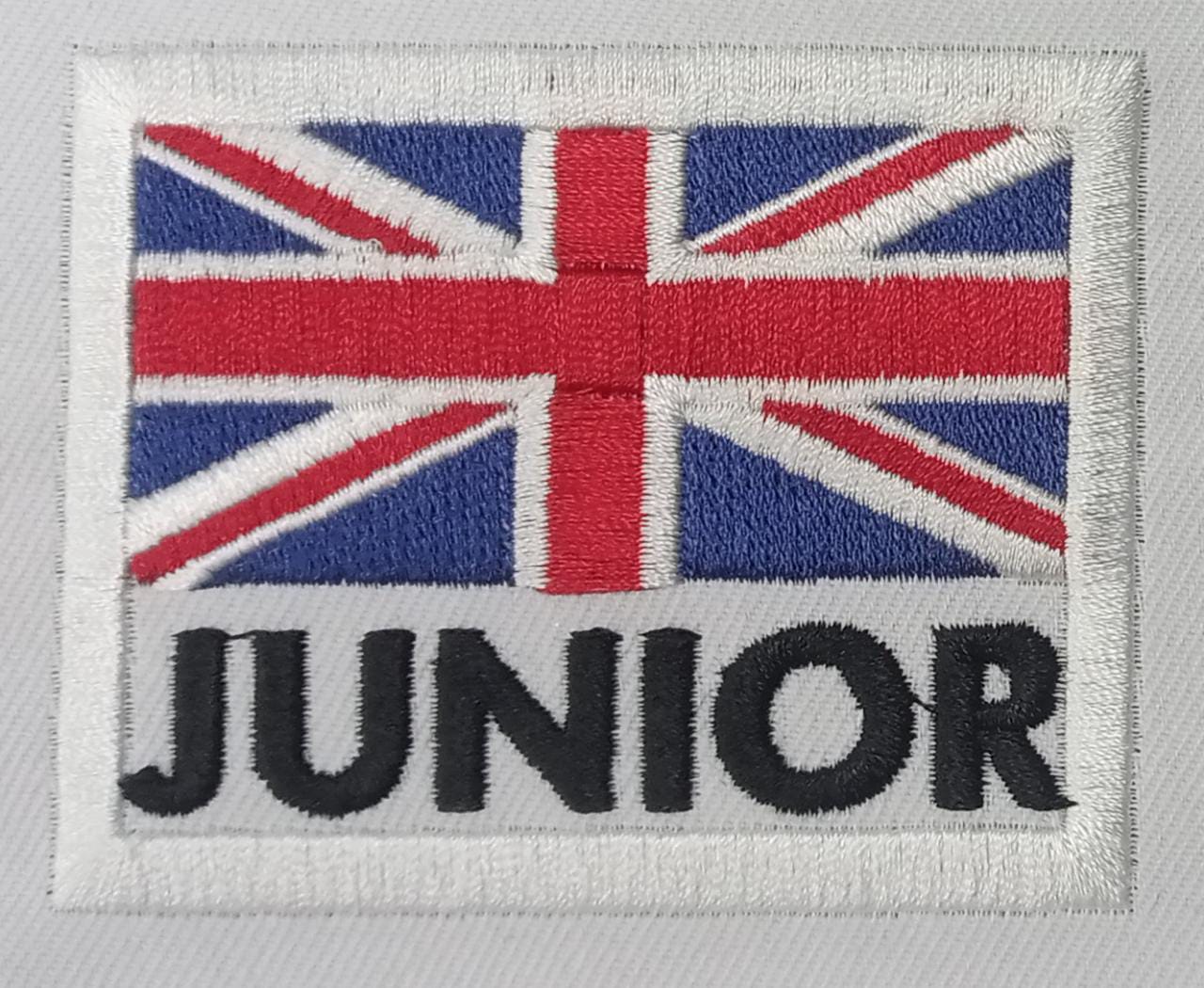
Made by stitching threads onto fabric, embroidered patches offer a raised, 3D texture.

Pros:

Rugged Longevity: Withstands heavy wear (ideal for military gear, work uniforms).

Timeless Appeal: Adds a vintage or professional aesthetic.

Cost-Effective: Affordable for bulk orders.

Cons: 

Limited Detail: Small text or intricate patterns may blur.

Best For: 

Corporate uniforms

Tactical equipment

Motorcycle clubs

Pro Tip: Use 3D puff embroidery to highlight logos or shapes for added dimension.

Woven Patches: Precision and Elegance

Woven patches use fine, interlocked threads for a smooth, flat finish.

Pros: 

High Detail: Captures intricate designs, gradients, and small text.

Lightweight: Perfect for delicate fabrics like hats or polos.

Professional Finish: Sleek look for corporate branding.

Cons: 

Less Durable: Prone to fraying over time.

Best For: 

Event merchandise

Fundraising campaigns

Detailed logos

Trend Alert: Gradient threads and metallic accents are rising in popularity for 2025!

PVC Patches: Modern, Weatherproof, and Bold 

Molded from rubber-like material, PVC patches are flexible and waterproof.

Pros: 

All-Weather Durability: Resists water, UV rays, and abrasion.

3D Shapes: Can be molded into unique forms (e.g., badges, animal shapes).

Vivid Colors: Ideal for eye-catching designs.

Cons: 

Higher Cost: More expensive than embroidered or woven.

Best For: 

Outdoor gear (backpacks, jackets)

Promotional products

Youth-centric brands

Pro Tip: Glow-in-the-dark and translucent PVC are trending for edgy, modern looks.

Side-by-Side Comparison: Which Patch Wins? 

FeatureEmbroideredWovenPVC
TextureRaised, 3DFlat, smoothRubber-like, molded
DurabilityHighModerateVery high
Design DetailModerateHighModerate
Cost$$$$$$
Best UseUniforms, heavy wearDetailed logosOutdoor/novelty

Actionable Tips to Choose the Right Patch 

Prioritize Durability: For gear exposed to harsh conditions, choose PVC or embroidered.

Simplify Complex Art: Opt for woven patches if your design includes fine details.

Budget Wisely: Embroidered patches offer the best value for large orders.

Order Samples: Test quality before committing.

Trends Shaping Custom Patches

Eco-Friendly Materials: Biodegradable threads and recycled PVC cater to eco-conscious buyers.

Tech Integration: Patches with QR codes link to websites or AR experiences.

Nostalgic Designs: Retro embroidery fonts and ’90s-inspired graphics.

Mini Patches: Tiny designs for tech accessories (e.g., AirPod cases).

Embroidered vs. Woven vs. PVC Patches

Why Custom Patches Matter for Branding 

Brand Consistency: Ensure logos look sharp across all mediums.

Cost-Effective Marketing: Patches last longer than stickers or flyers.

Versatility: From employee uniforms to limited-edition merch, patches adapt to any campaign.

Craft Patches That Leave a Lasting Impression

Your choice between embroidered, woven, or PVC patches hinges on your project’s needs—durability, detail, or design flair. By aligning your selection with trends like sustainability and tech integration, you’ll create patches that resonate deeply with your audience.

Ready to start your patch journey? Contact Our Team for expert guidance!

Frequently Asked Questions

Can I wash patches?

Yes! Embroidered and PVC patches are machine-washable. Use cold water and air-dry woven patches.

Which patch type is cheapest?

Embroidered patches are most budget-friendly, especially for bulk orders.

How small can text be on a patch?

For readability, text should be at least 0.25 inches tall (6mm).

Can I mix patch types in one order?

Absolutely! Many brands use PVC for merch and embroidered for uniforms.

What’s the average turnaround time?

2–4 weeks, depending on complexity. Rush services are available.


How to Use Custom Patches as a Low-Cost Marketing Tool for Startups

How to Use Custom Patches as a Low-Cost Marketing Tool for Startups

Why Custom Patches Are a Startup’s Secret Weapon

In the competitive startup world, every dollar counts. While flashy ads and influencer campaigns drain budgets, custom patches offer a cost-effective, tactile way to build brand loyalty, spark word-of-mouth, and stand out. From guerrilla marketing to merch drops, these versatile emblems pack a punch without breaking the bank.

How to Use Custom Patches as a Low-Cost Marketing Tool for Startups

Why Custom Patches Work for Startups 

Affordable, Versatile, and Memorable

Startups need marketing tools that deliver ROI fast. Here’s why patches excel:

Low Cost: As little as $1–$3 per patch in bulk vs. $10+ for branded apparel.

High Perceived Value: Patches feel personal and collectible.

Versatility: Stick them on hats, bags, laptops, or jackets.

Virality: Unique designs encourage social sharing (e.g., “Check out this cool patch I got!”).


Actionable Strategies to Market Your Startup with Patches


Guerrilla Marketing: Surprise and Delight

Turn Customers into Brand Ambassadors 

Freebies with Purchases: Include a patch in every order (e.g., “Thanks for supporting us! Here’s a gift”).

Street Teams: Hand out patches at local events, markets, or college campuses.

Mystery Drops: Leave patches in public spaces with a QR code linking to your site.


Pro Tip: Use iron-on patches for instant usability—no sewing required.


Launch a Limited-Edition Patch Drop 

Create Scarcity, Drive Hype 

Limited-edition patches tap into FOMO (Fear of Missing Out): 

Collaborations: Partner with local artists or influencers for co-branded designs.

Milestone Celebrations: Release patches for your 1st anniversary or 1,000th customer.

Pre-Launch Hooks: Offer exclusive patches to early Kickstarter backers.

Custom Patches as a Low-Cost Marketing Tool for Startups

Build a Loyalty Program with Patch Rewards 

Turn Repeat Buyers into Superfans

Patch Collectibles: Reward customers with a new patch for every 5 purchases (e.g., “Collect all 5 designs!”).

VIP Perks: Send patches to top-spending clients as a “thank you.”

Referral Incentives: Give patches to customers who refer friends.


Leverage Partnerships and Cross-Promotions 

Amplify Your Reach 

Team up with complementary brands to share audiences:

Co-Branded Patches: Split costs and exposure (e.g., a kombucha brand + yoga studio).

Event Swag: Provide patches for local meetups, pop-ups, or conferences.

Influencer Collabs: Send patches to micro-influencers in exchange for unboxing posts.


Pro Tip: Use woven patches for intricate co-branded designs


Repurpose Patches into Creative Campaigns 

Think Beyond the Backpack 

Contests: Ask followers to post creative photos wearing your patch (e.g., “Best photo wins a $100 gift card”).

Charity Tie-Ins: Donate $1 per patch sold to a cause aligned with your brand.

Employee Advocacy: Equip your team with branded patches on uniforms or jackets.


Trending Patch Ideas for Startups

Stay Ahead of the Curve 

Eco-Friendly Patches: Use recycled materials to appeal to green-conscious buyers.

Glow-in-the-Dark Patches: Perfect for night markets or festivals.

QR Code Patches: Embed scannable codes linking to your website or promo videos.

Mini Patches: Tiny, affordable designs for stickers or keychains. How to Use Custom Patches as a Low-Cost Marketing Tool

Stitch Your Brand into the Spotlight 

Custom patches aren’t just accessories—they’re mini billboards that turn customers into advocates. For startups, they offer a rare trifecta: affordability, creativity, and tangible impact. Whether you’re handing them out at a local fair or launching a viral patch drop, this versatile tool can scale with your growth.


Ready to start? Begin with a small batch, test designs with your audience, and watch these tiny emblems deliver big results.


Frequently Asked Questions

  1. How much do custom patches cost for a startup?

Prices start at $1–$3 per patch for orders of 100+, depending on size and material. Bulk discounts apply for larger orders.


  1. How long does it take to produce custom patches?

Most manufacturers deliver in 2–3 weeks. Rush services (5–7 days) are available for urgent projects.


  1. Can patches work for B2B startups?

Absolutely! Use them as swag for clients, trade shows, or employee onboarding kits.


  1. How do I measure the ROI of patch marketing?

Track metrics like social mentions, website traffic from QR codes, and repeat purchase rates from loyalty programs.


  1. What’s the best way to design a patch?

Keep it simple with bold colors, your logo, and a clear message. Work with a designer or use DIY tools like Canva.